
CA Glue for Woodworking: Fast, Strong and Precise Bonding
CA glue for woodworking, also known as cyanoacrylate glue, instant glue or super glue, is a fast-curing adhesive widely used by woodworkers, woodturners, cabinetmakers, furniture repair professionals, hobbyists and DIY users.
Unlike traditional wood glues that may require clamping and extended drying time, super glue can create a strong bond in seconds, making it especially useful for quick repairs, precision assembly, crack filling, woodturning and small woodworking projects.
What Is CA Glue for Woodworking?
CA glue is a one-component cyanoacrylate adhesive that cures rapidly when applied between surfaces. On wood, small amounts of moisture naturally present on the surface help initiate the curing process.
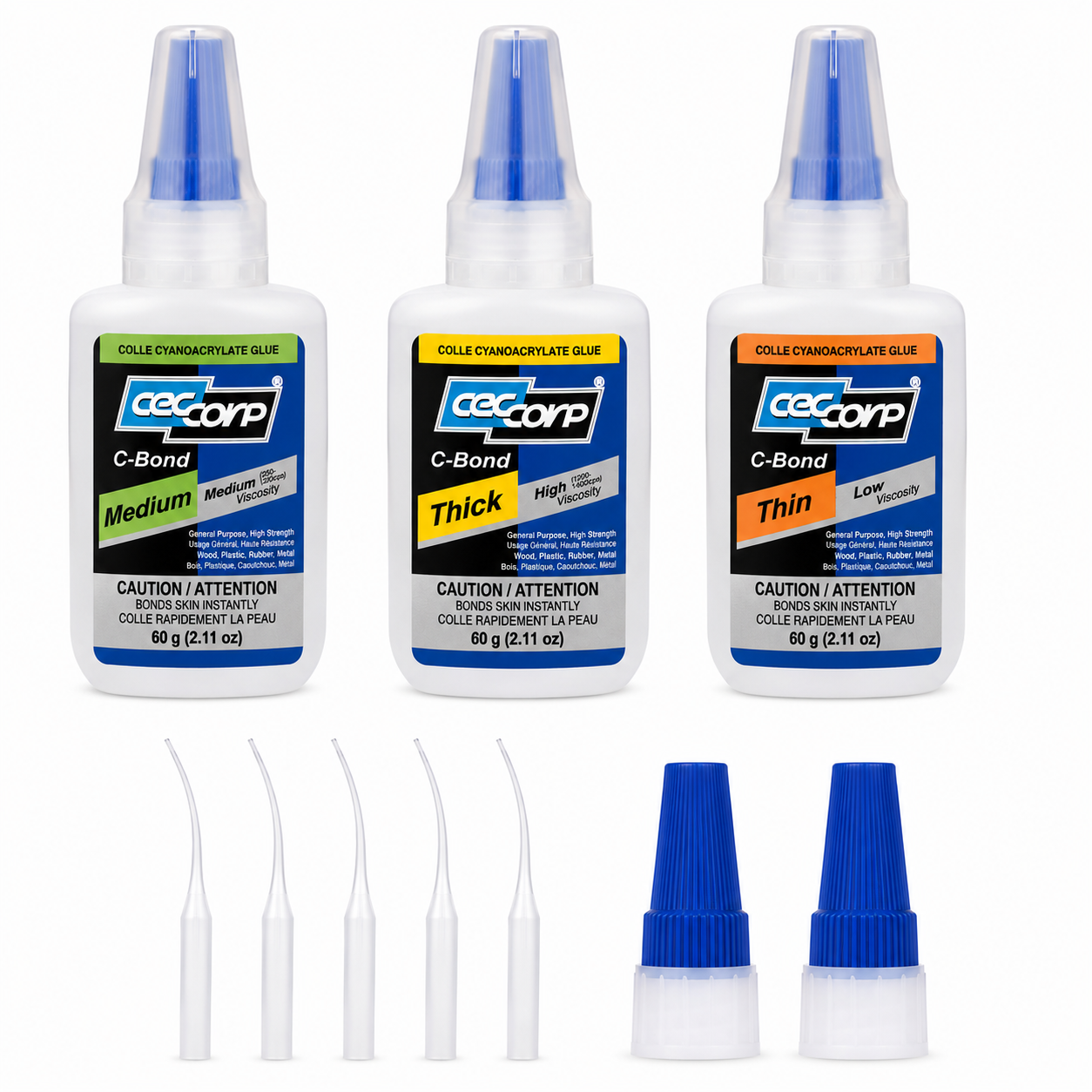
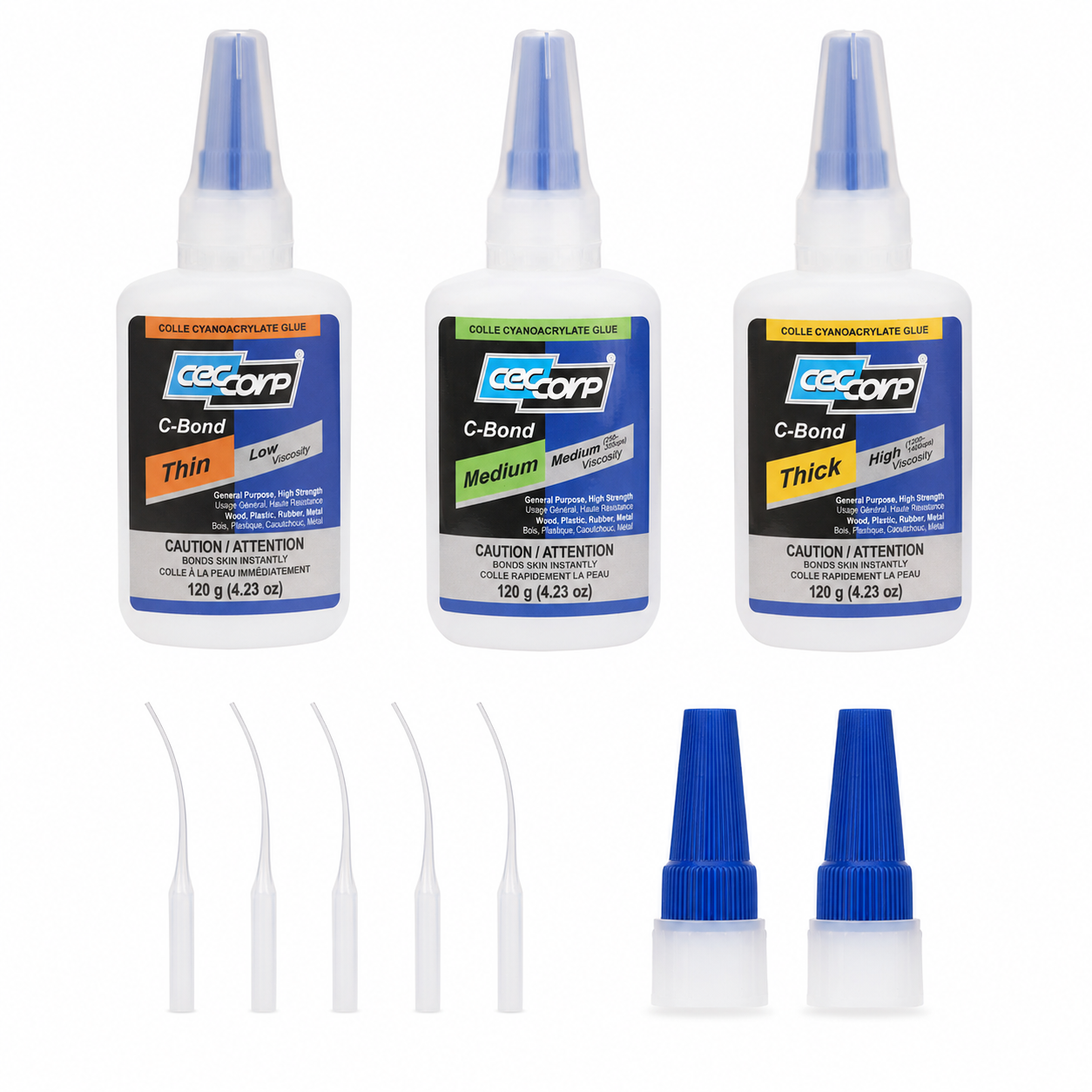
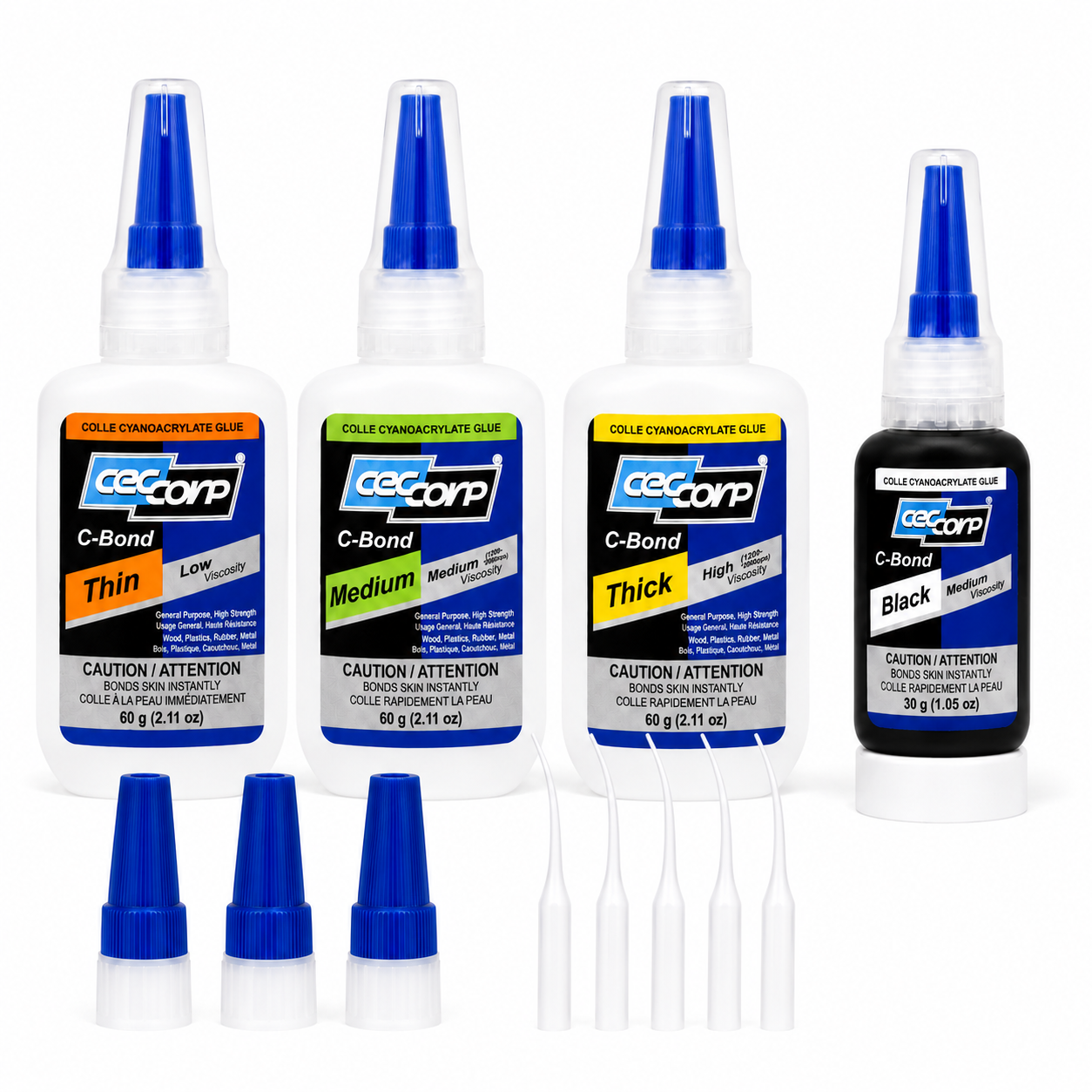
Because super glue is available in different viscosities, from water-like extra thin CA glue to gap filling thick and extra thick CA glue, woodworkers can select the right product for different applications.
What Is Super Glue Used for in Woodworking?
Super glue can be used for many woodworking applications, including:
- Wood crack and void repair
- Woodturning and lathe projects
- Furniture and cabinet repairs
- Small wood parts and precision assembly
- Model making and hobby woodworking
- Inlays and decorative woodworking
- Attaching jigs and templates
- Temporary positioning before machining
- Bonding wood to selected metals, plastics and other materials
- Stabilizing small cracks or porous areas
- Fast repairs where clamping is difficult
Which CA Glue Viscosity Is Best for Wood?
There is no single viscosity that is best for every woodworking application. The correct choice depends on the size of the gap, the condition of the wood and the amount of penetration required.
Extra Thin and Thin CA Glue
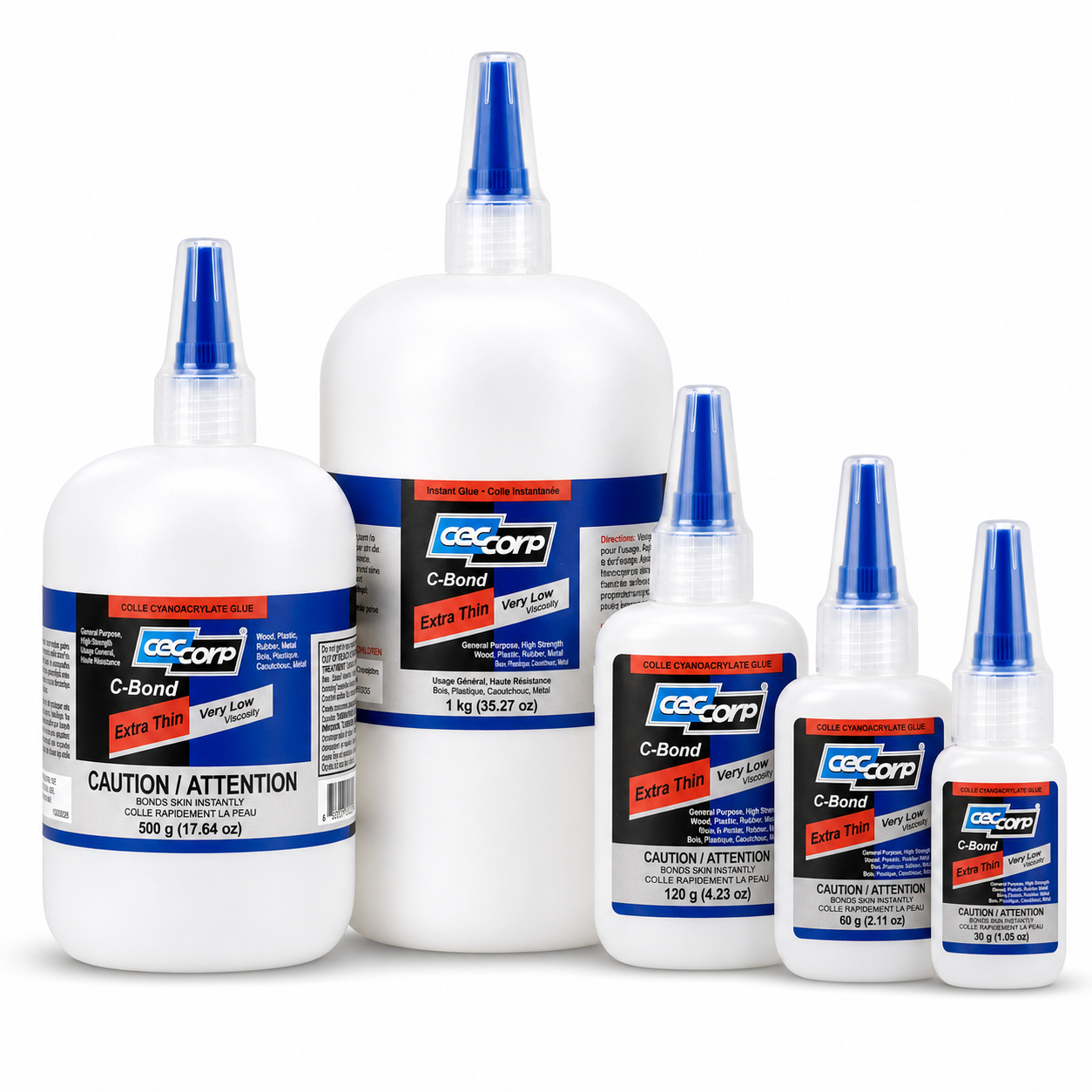
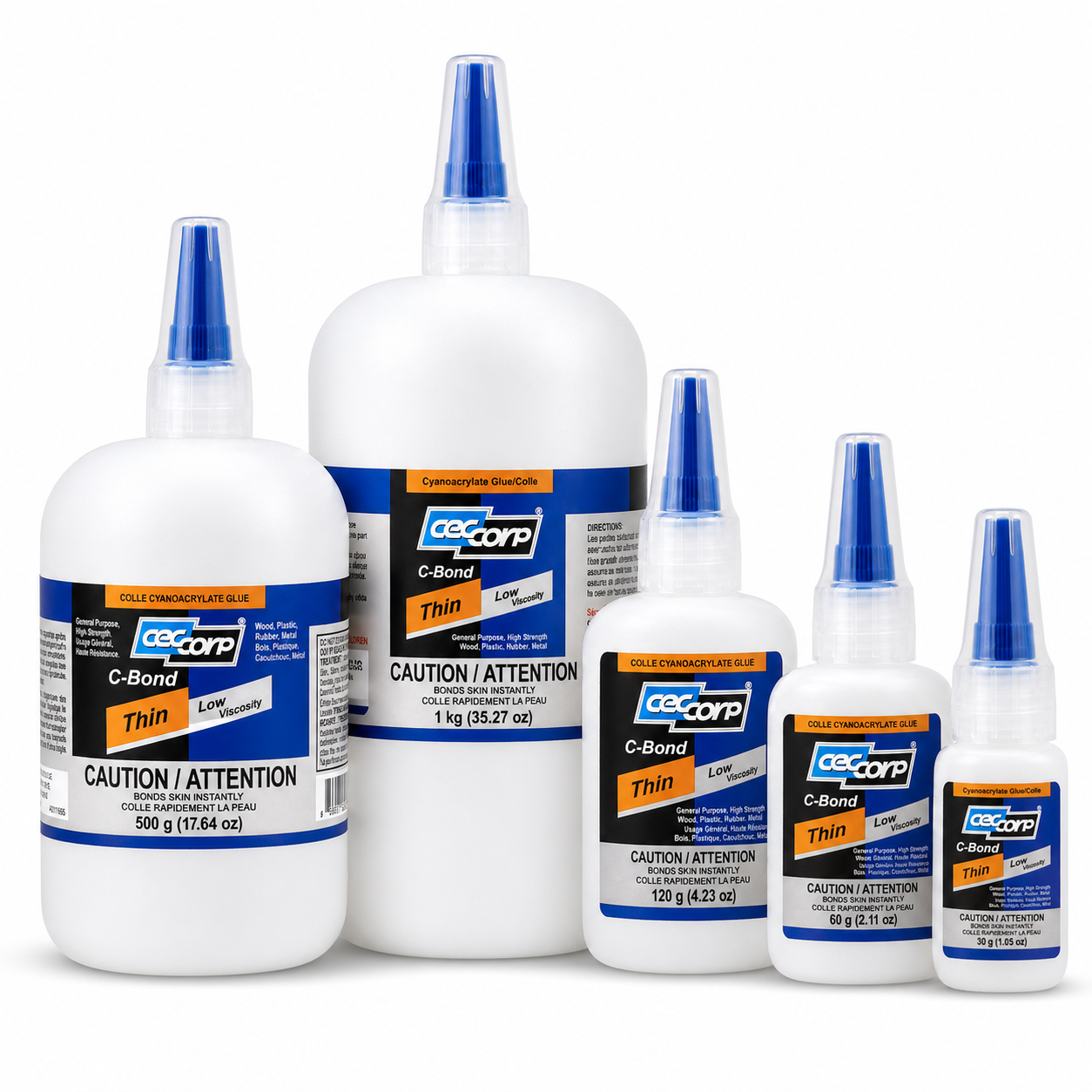
Extra Thin CA Glue + Thin CA Glue
Extra thin and thin super glues have very low viscosity and can penetrate narrow cracks, porous wood and tight-fitting joints through capillary action.
Best for: Hairline cracks, wood stabilization, tight joints, penetration into porous surfaces and detailed repairs.
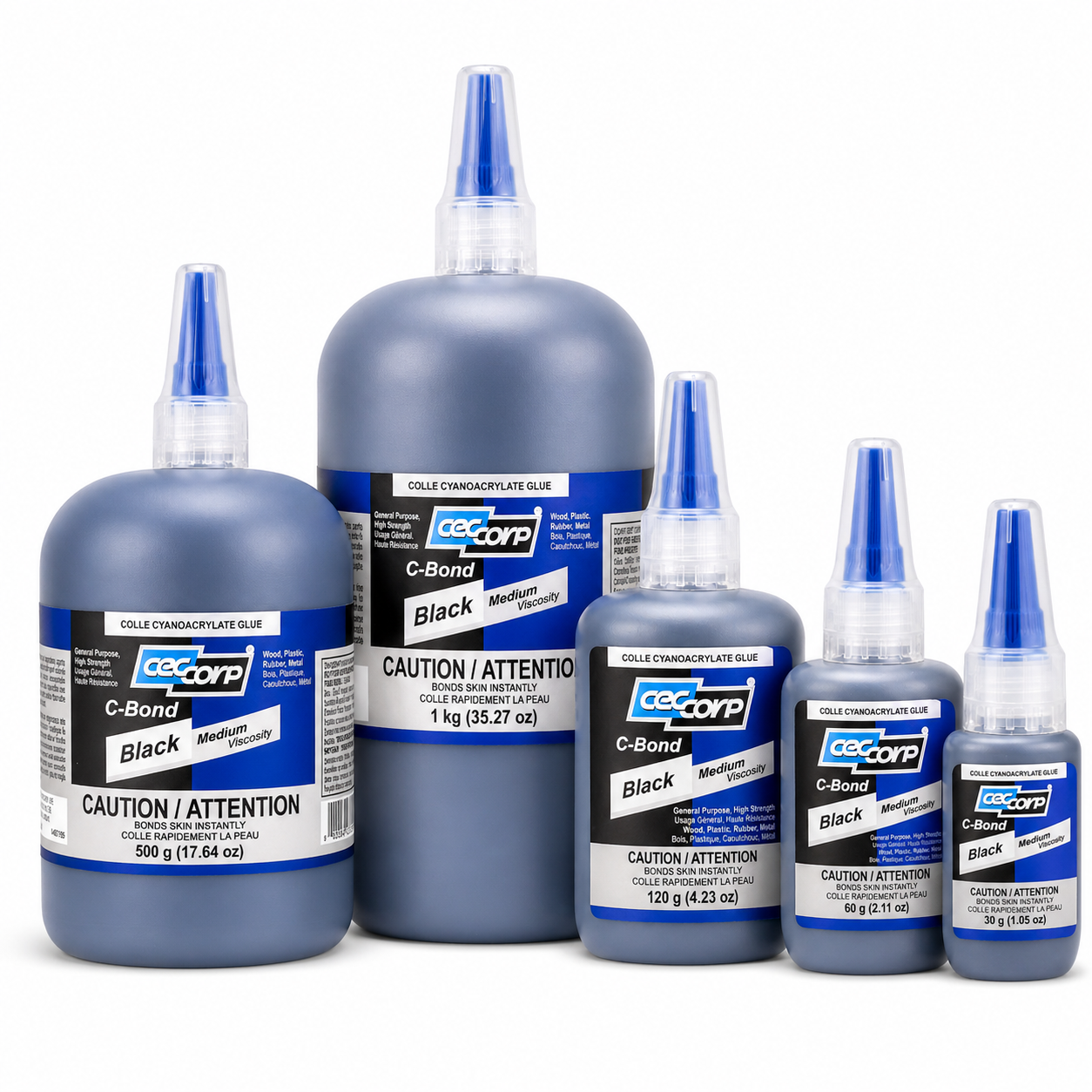
Medium Thin and Medium CA Glue
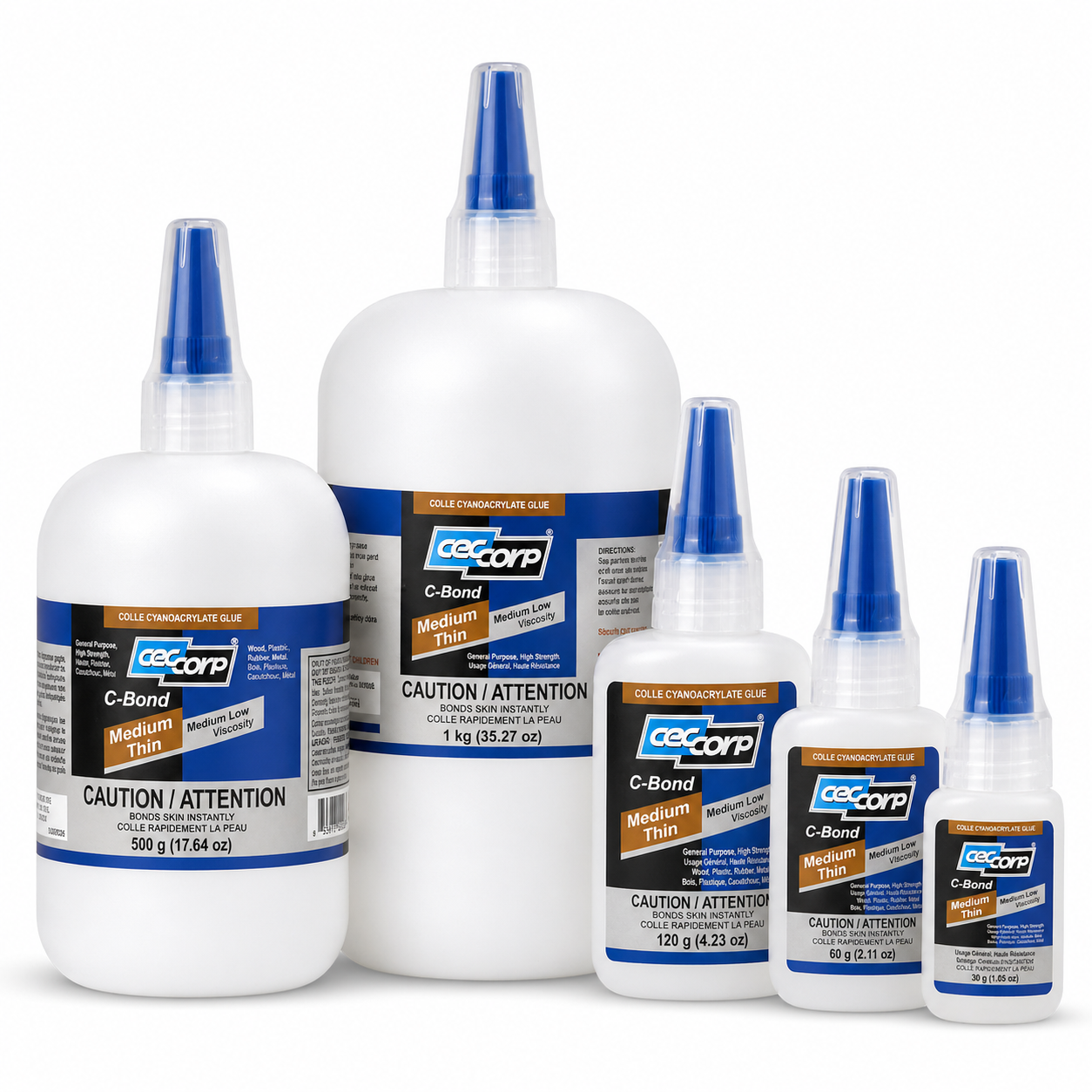
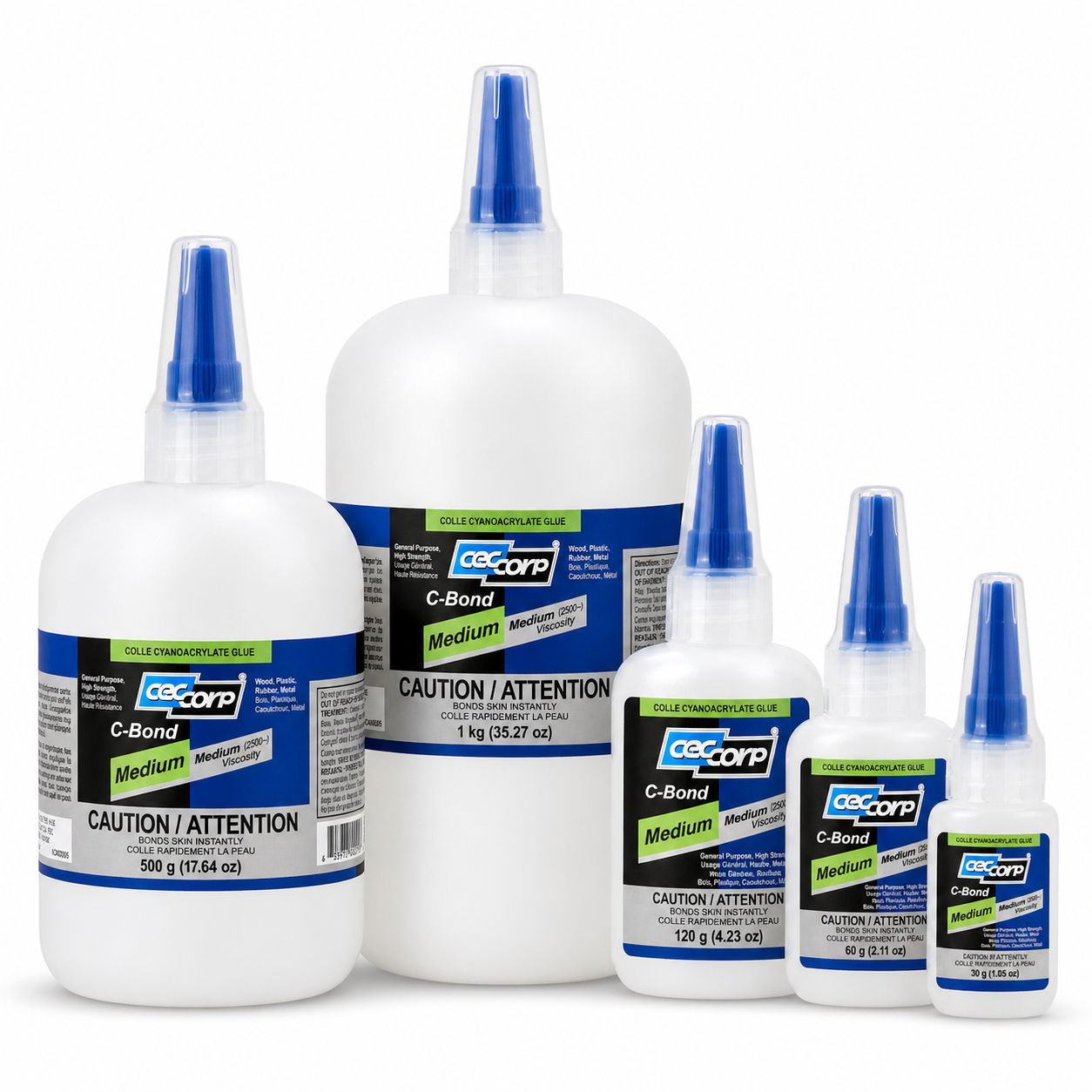
Medium Thin CA Glue + Medium CA Glue
Medium thin and medium viscosity super glues provide a balance between flow, positioning time and gap filling capability. They are versatile choices for everyday woodworking and general repairs.
Best for: General woodworking, furniture repairs, hobby projects, small assemblies and moderately fitting joints.
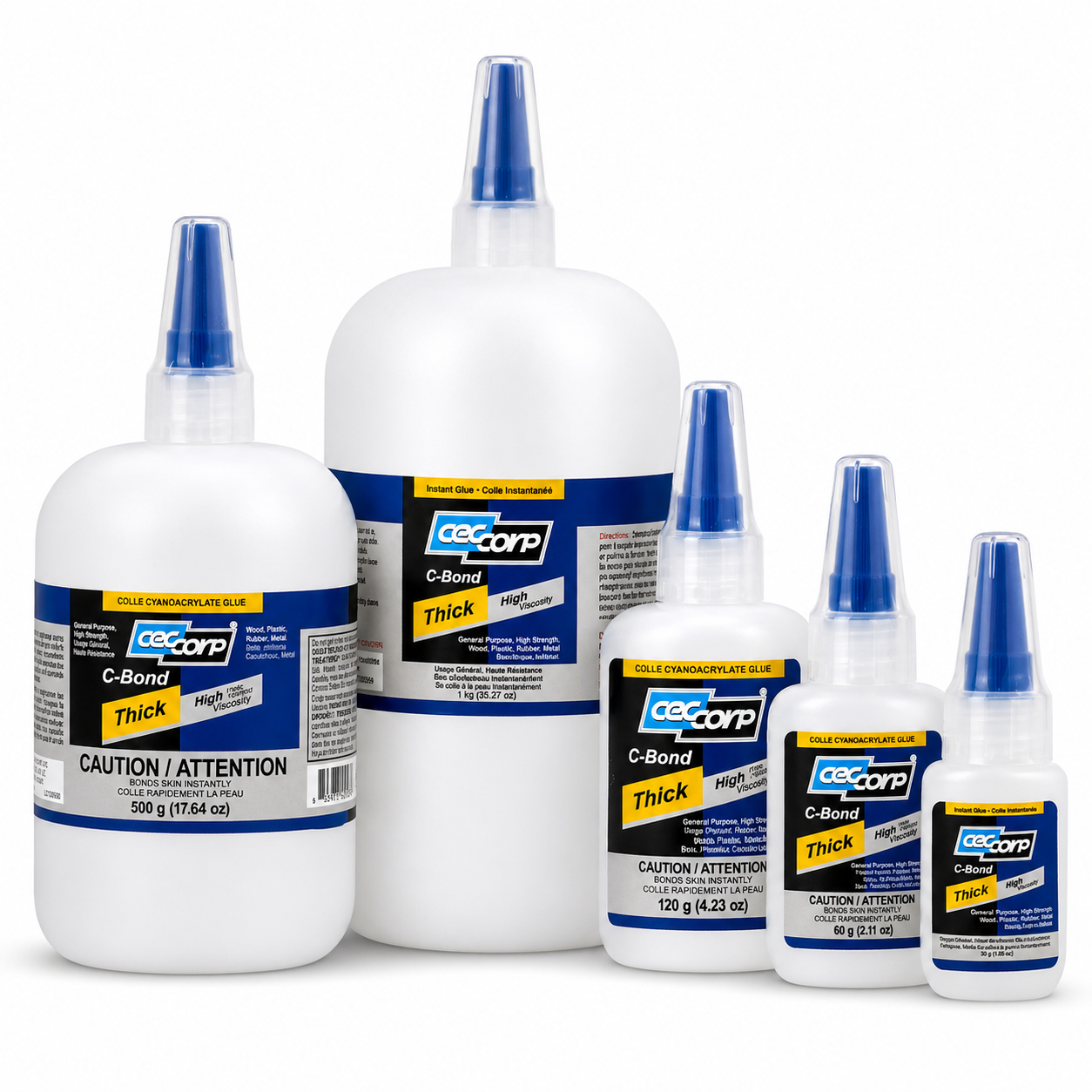
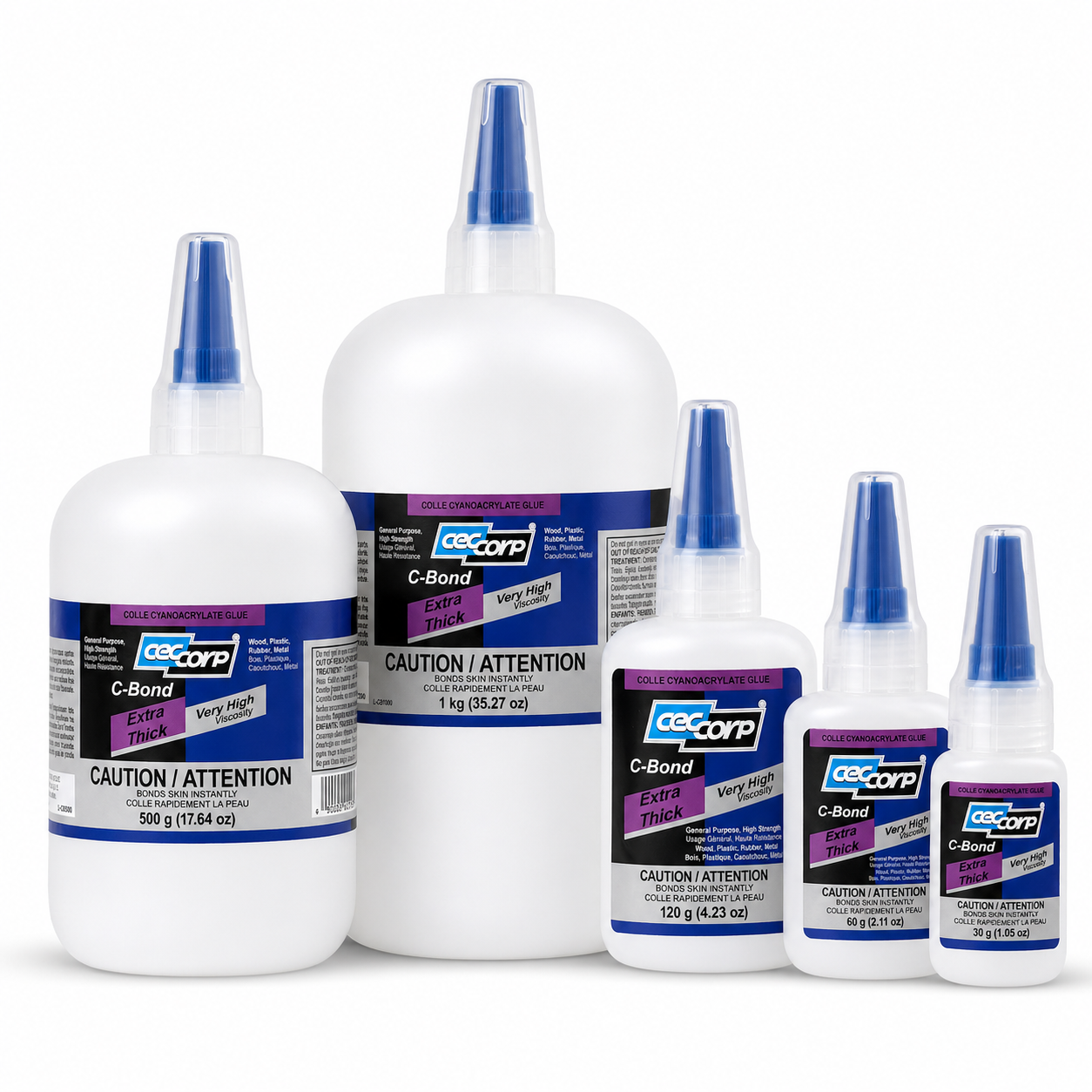
Thick and Extra Thick CA Glue
Thick CA Glue + Extra Thick CA Glue
Thick and extra thick CA adhesives remain where they are applied and can help bridge larger gaps or irregular surfaces.
Best for: Gap filling, larger cracks, uneven joints, vertical applications and repairs where additional adhesive body is required.
Super Glue and Activator for Woodworking
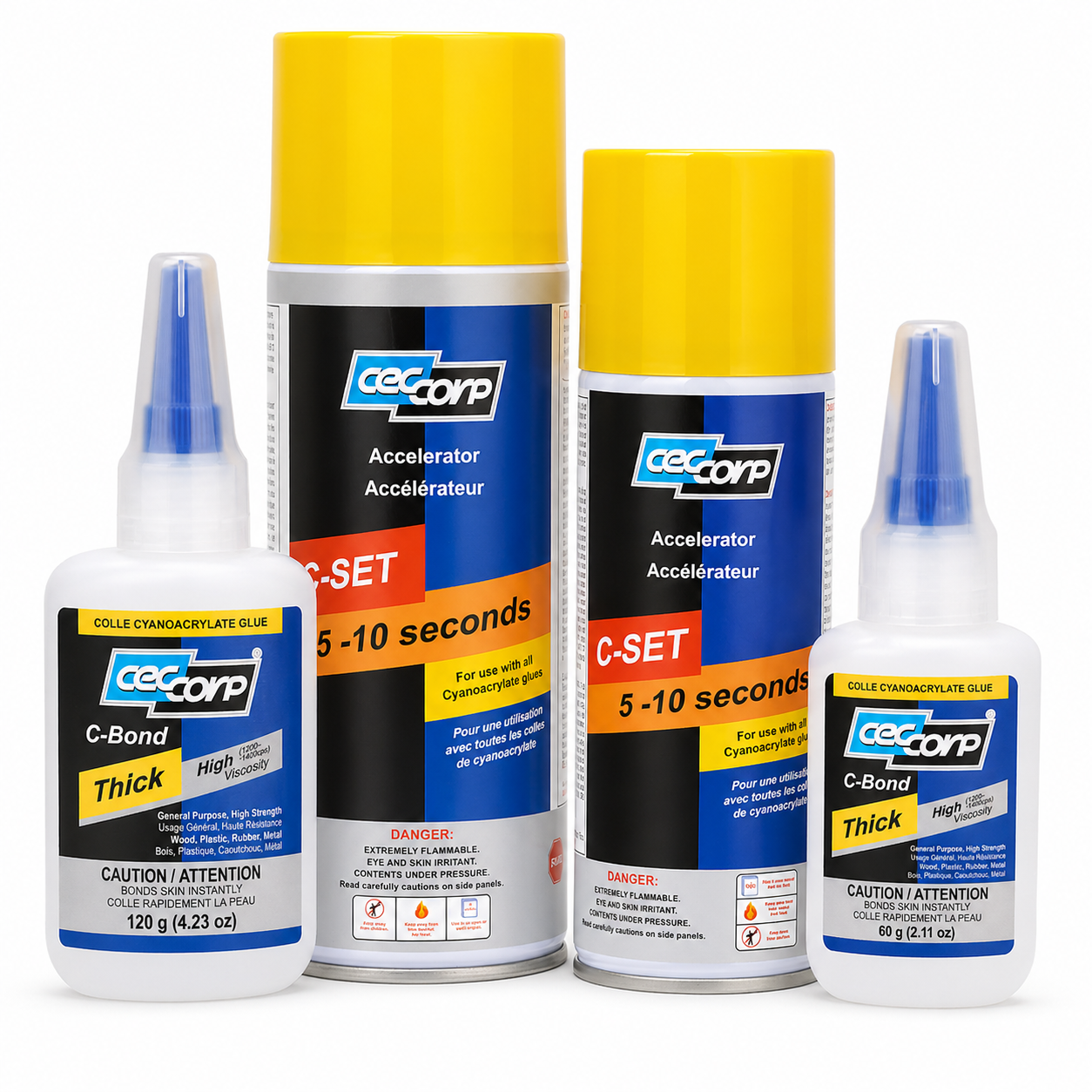
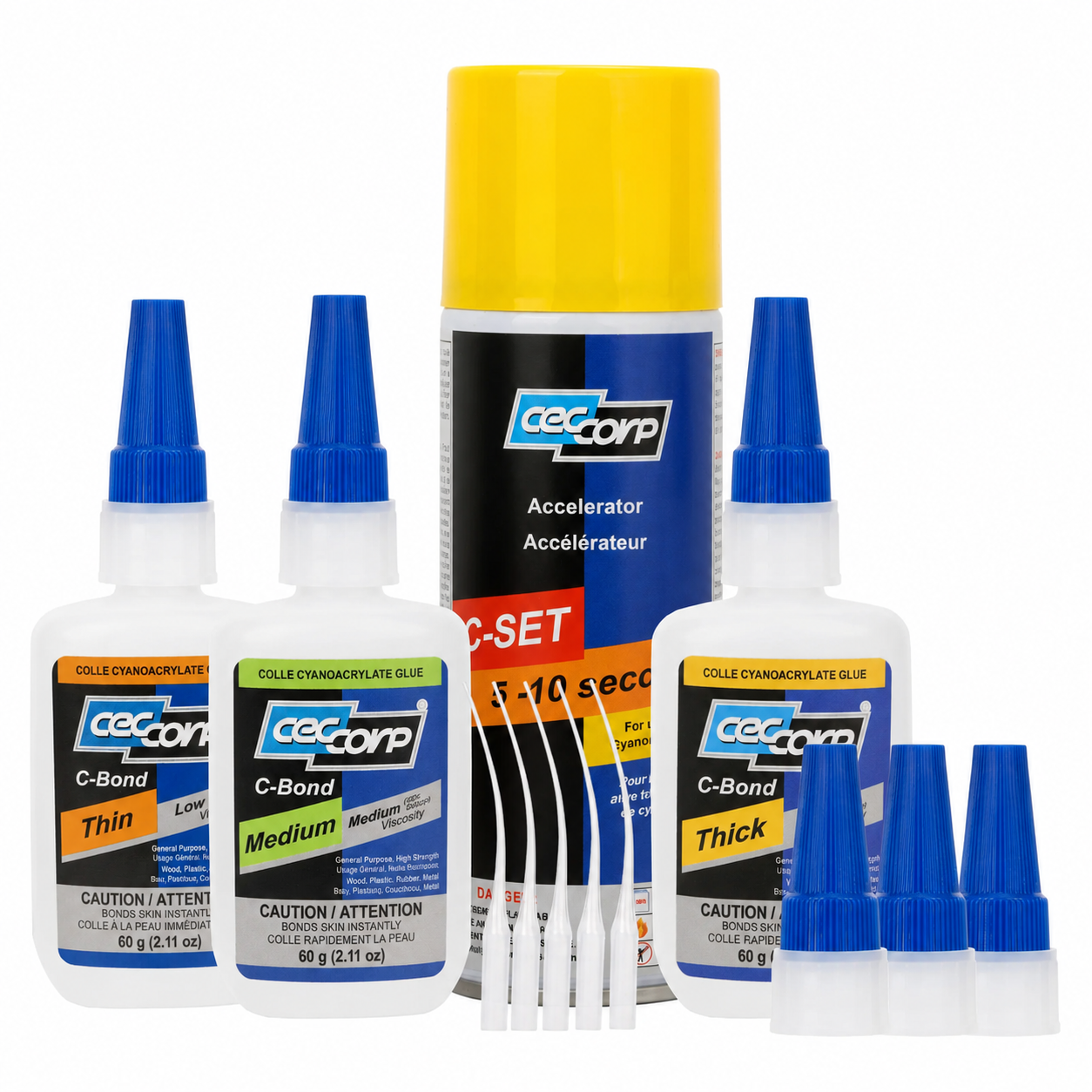
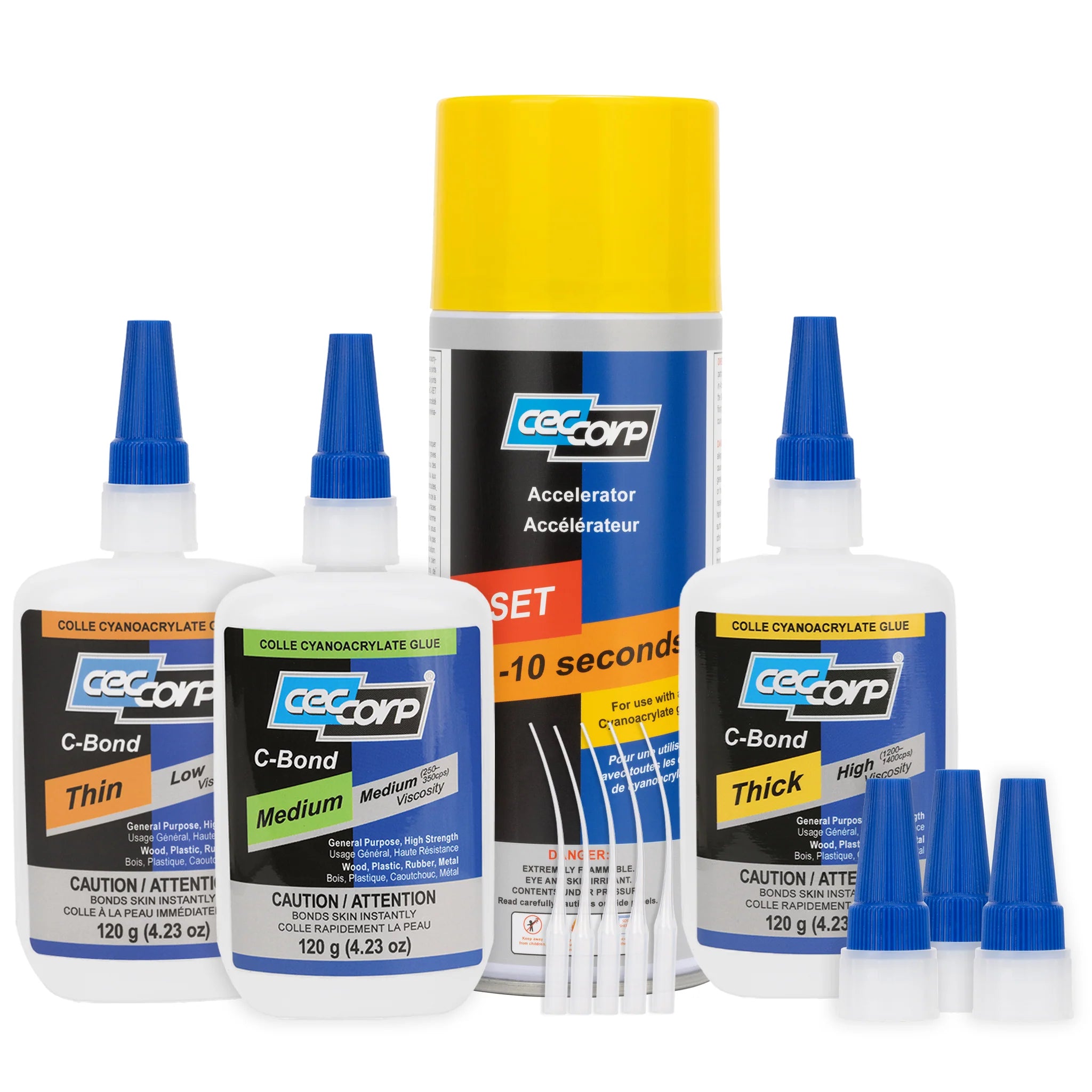
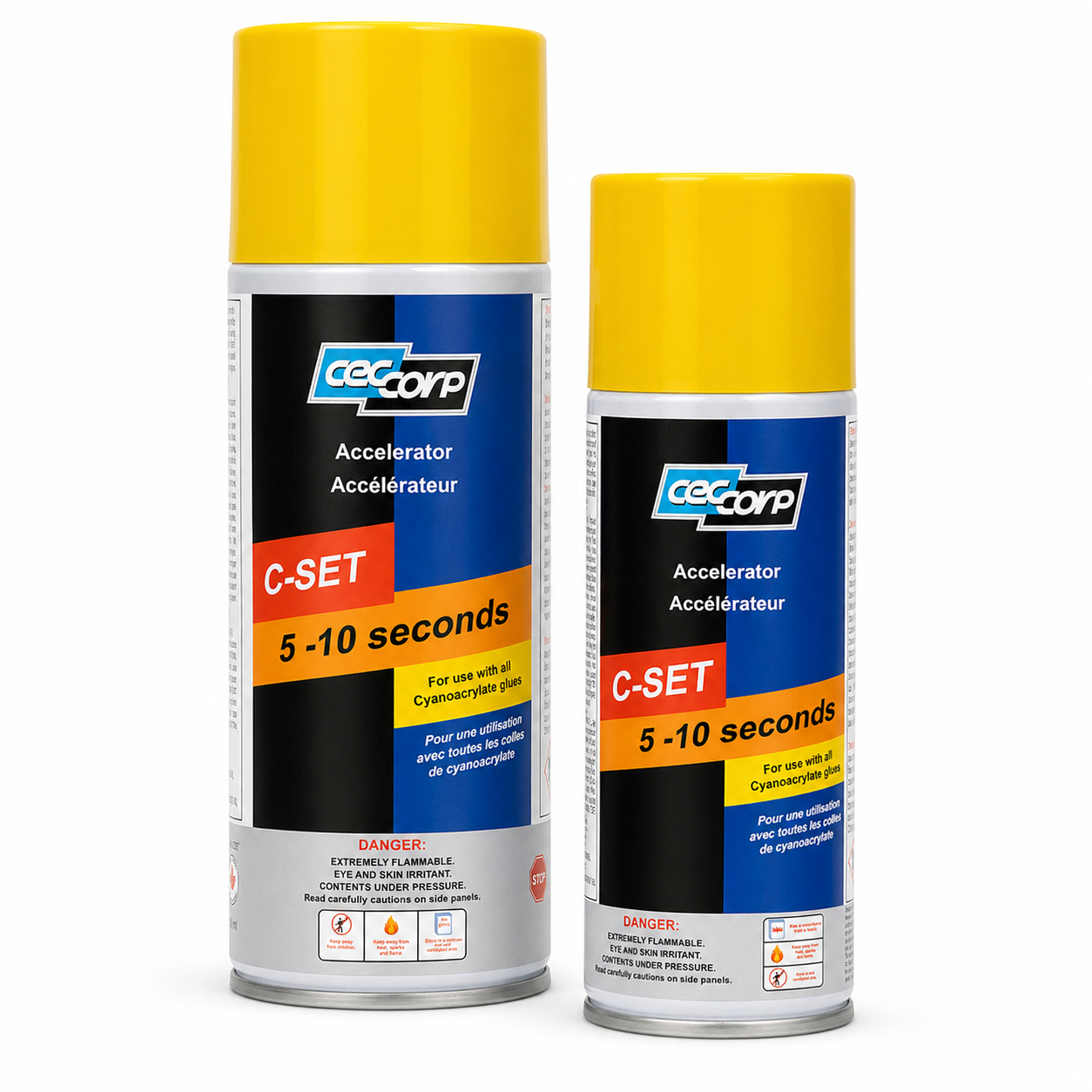
Thick C-SET Kit + C-SET Accelerator
A super glue activator, sometimes called an accelerator, can significantly reduce cure time. Depending on the adhesive, substrate and application, an activator can provide near-instant handling strength.
This is particularly useful for repetitive assembly, production work, quick repairs, jig making and applications where holding or clamping the parts for an extended period is inconvenient.
For best results, use the activator according to the adhesive manufacturer’s recommendations. Excessive activator can sometimes affect bond appearance or performance.
Super Glue for Woodturning
Super glue is especially popular among woodturners. Thin grades can penetrate small cracks and porous areas, while other CA formulations may be used during turning, repair or finishing processes.
Common applications include pens, bowls, handles, decorative pieces and other turned wooden objects.
CA Glue vs. Traditional Wood Glue
Traditional PVA wood glue remains an excellent choice for many large wood-to-wood joints. Cyanoacrylate super glue serves a different purpose.
When a project requires fast curing, precise application, minimal clamping, crack penetration or quick positioning, super glue can be a better solution.
Many professional woodworkers keep both traditional wood glue and several viscosities of super glue available because each adhesive solves different bonding problems.
How to Use Super Glue on Wood
For a reliable bond, make sure the surfaces are reasonably clean and properly fitted. Apply only enough super glue to wet the bonding area, assemble the parts and hold them in position until sufficient handling strength develops.
When working with porous wood, the adhesive may penetrate into the surface, so the required amount can vary depending on the wood species, density, moisture level and super glue viscosity.
Does Super Glue Work on All Types of Wood?
Super glue can bond many hardwoods and softwoods, but performance depends on several factors, including:
- Wood species and porosity
- Surface condition
- Moisture content
- Joint design
- Adhesive viscosity
- Bond-line thickness
- Environmental exposure
For demanding structural or long-term outdoor applications, the adhesive should always be selected and tested for the specific service conditions.
Choosing the Right CA Glue for Your Woodworking Project
The easiest way to choose a super glue is to consider the size of the gap and how much penetration you need:
Very tight joint or hairline crack → Extra Thin CA Glue + Thin CA Glue
General woodworking and repair → Medium Thin CA Glue + Medium CA Glue
Larger gap or irregular surface → Thick CA Glue + Extra Thick CA Glue
For woodworkers who regularly handle different projects, keeping several viscosities available provides much greater flexibility.
Fast Bonding Solutions for Professional Woodworking and DIY
Super glue gives woodworkers a combination of speed, precision and versatility that is difficult to achieve with many conventional adhesives.
From penetrating a tiny crack in a turned piece to completing a fast furniture repair or assembling a detailed woodworking project, choosing the correct super glue viscosity can make the job faster and easier.
Whether you are a professional woodworker, woodturner, cabinetmaker, furniture repair specialist, model maker or DIY enthusiast, super glue can be a valuable addition to your woodworking adhesive system.