
Aluminum Bonding: How to Bond Aluminum
Aluminum is lightweight, strong, corrosion resistant, and widely used in everything from small repairs and fabrication to transportation, construction, machinery, and composite structures. However, bonding aluminum successfully requires choosing the right adhesive and preparing the surface correctly.
The best adhesive depends on the size of the parts, structural requirements, operating temperature, materials being joined, bond line design, and required working time.
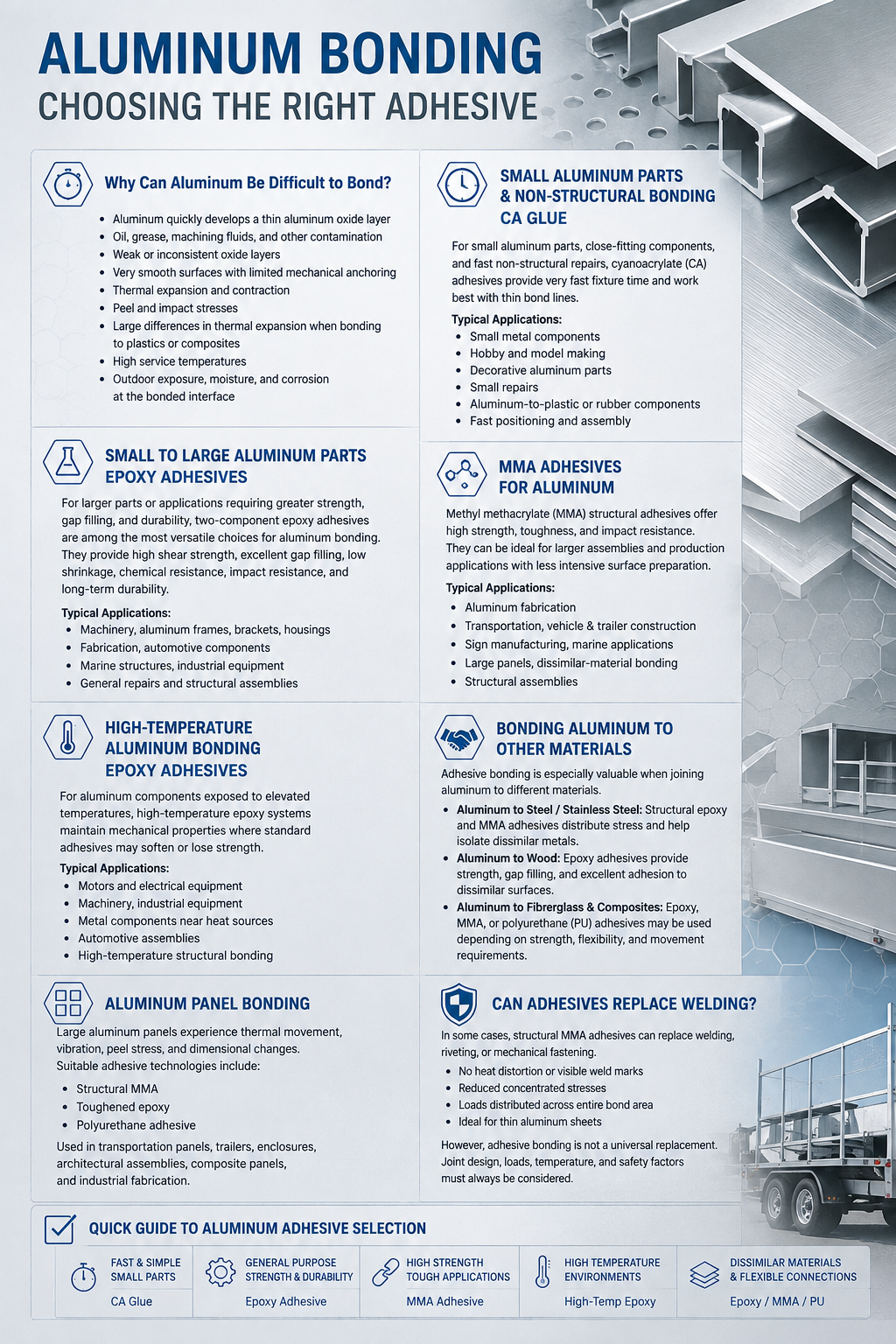
Why Can Aluminum Be Difficult to Bond?
Aluminum quickly develops a thin aluminum oxide layer when exposed to air. Adhesives bond to this surface layer rather than directly to the aluminum underneath.
Other common bonding problems include:
- Oil, grease, machining fluids, and other contamination
- Weak or inconsistent oxide layers
- Very smooth surfaces with limited mechanical anchoring
- Thermal expansion and contraction
- Peel and impact stresses
- Large differences in thermal expansion when aluminum is bonded to plastics or composites
- High service temperatures
- Outdoor exposure, moisture, and corrosion at the bonded interface
For demanding applications, proper cleaning, abrasion, chemical treatment, or primer application can significantly improve bond strength and long term durability.
Small Aluminum Parts and Nonstructural Bonding: CA Glue
For small aluminum parts, close fitting components, and fast nonstructural repairs, cyanoacrylate (CA) adhesives can be an excellent option.
CA glue provides a very fast fixture time and works particularly well when the bond line is thin and the mating surfaces fit closely.
Typical applications include:
- Small metal components
- Hobby and model making
- Decorative aluminum parts
- Small repairs
- Components made from aluminum and plastic or rubber
- Fast positioning and assembly
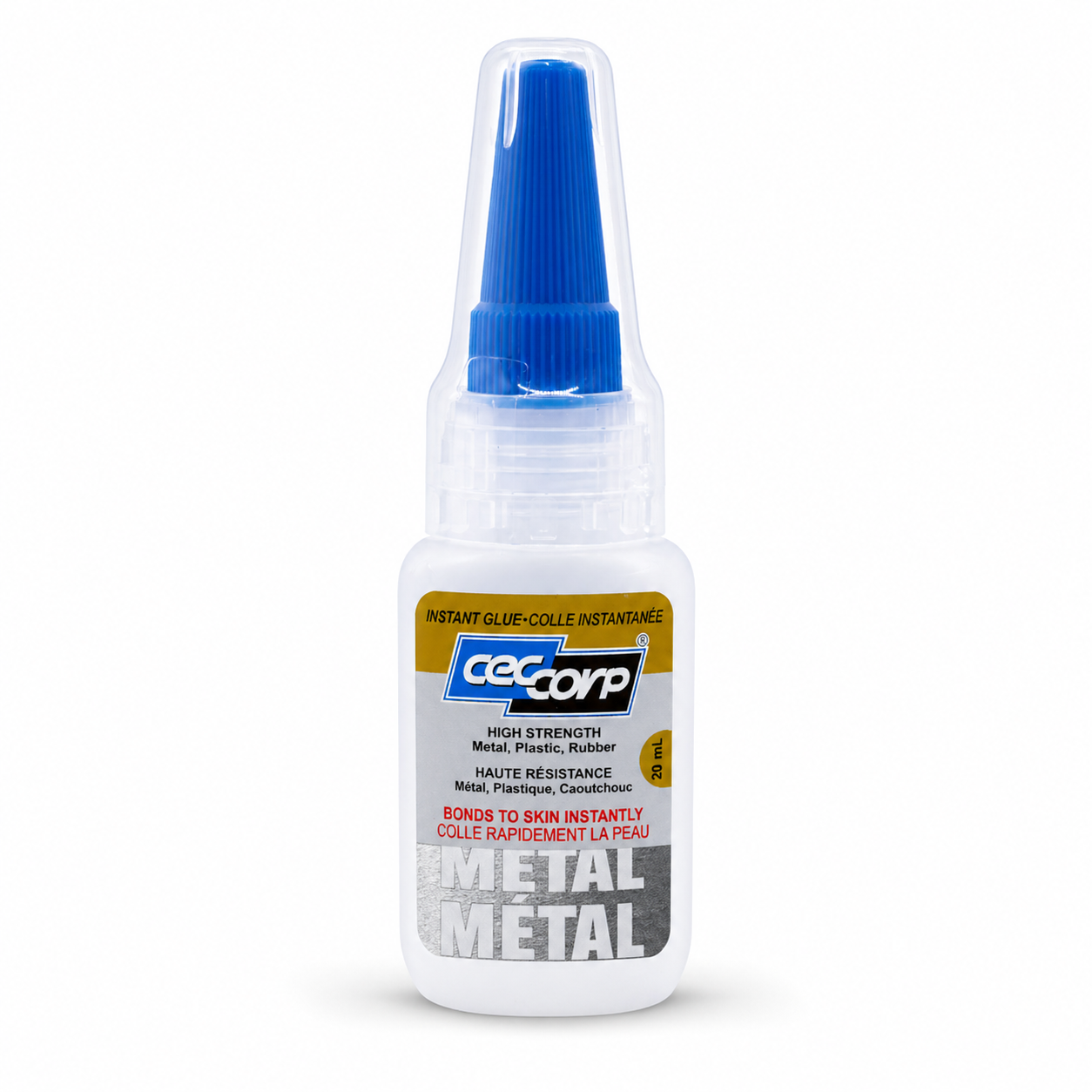
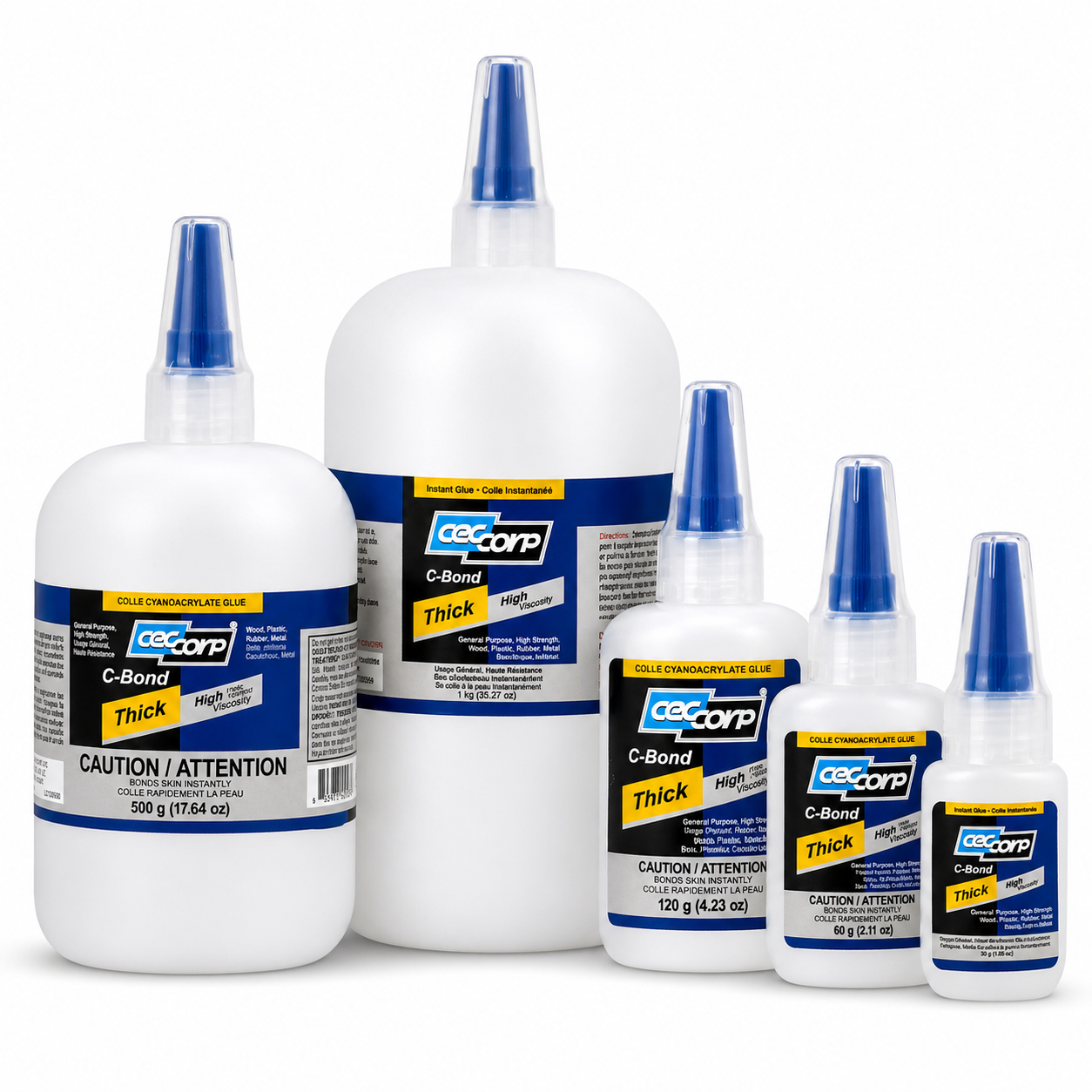
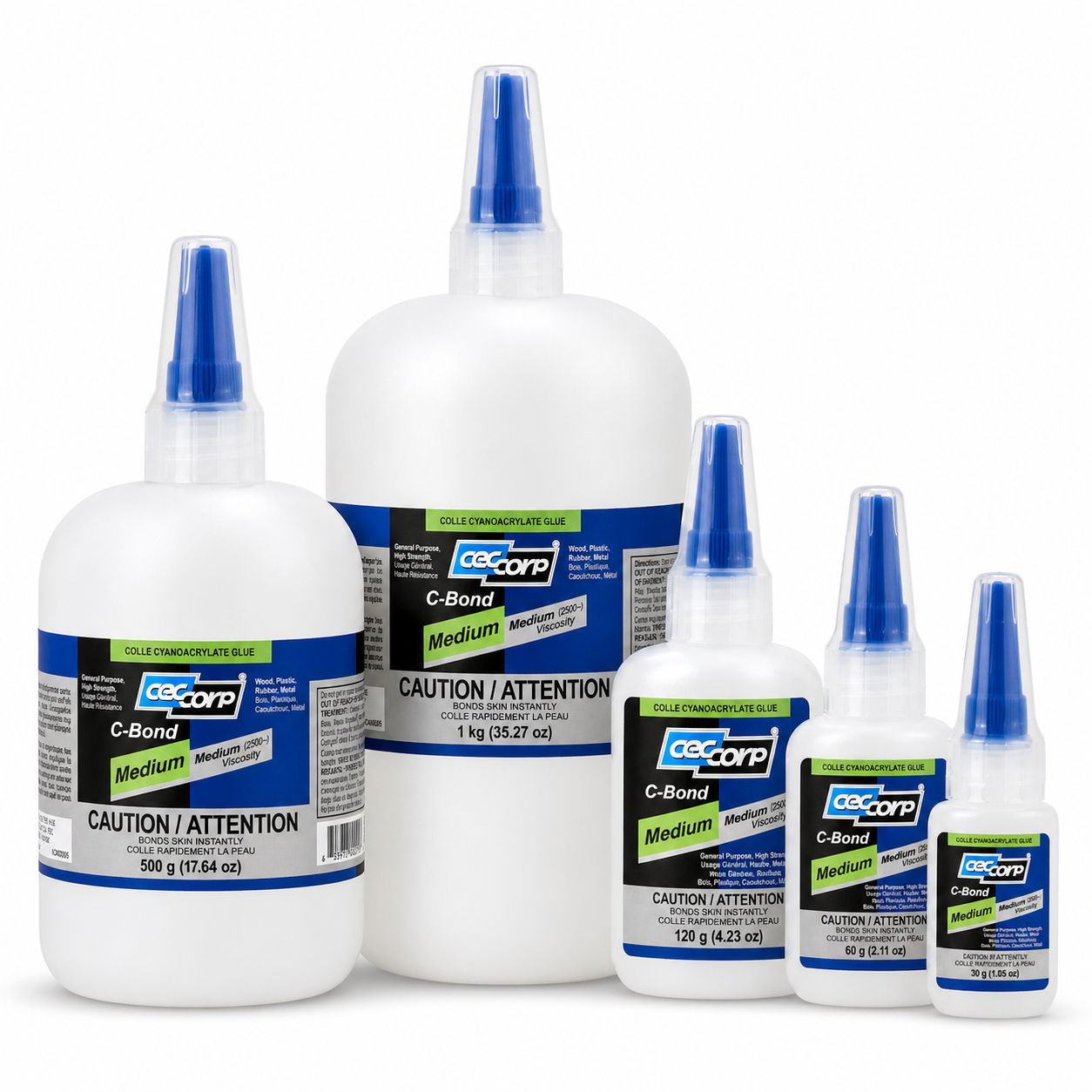
Recommended products:
C-Bond Thick CA Glue , C-Bond Medium CA Glue , and Metal CA Glue
CA adhesives are generally better suited to small, relatively rigid, nonstructural assemblies than to large structural aluminum joints.
Small to Large Aluminum Parts: Epoxy Adhesives
For larger parts or applications requiring greater strength, gap filling, and durability, two component epoxy adhesives are among the most versatile choices for aluminum bonding.
Depending on the formulation, structural epoxies can provide:
- High shear strength
- Excellent gap filling
- Low shrinkage
- Chemical resistance
- Impact resistance
- Long term durability
They are suitable for applications ranging from general repairs to demanding structural assemblies.
Typical applications include machinery, aluminum frames, brackets, housings, fabrication, automotive components, marine structures, and industrial equipment.
Recommended products:
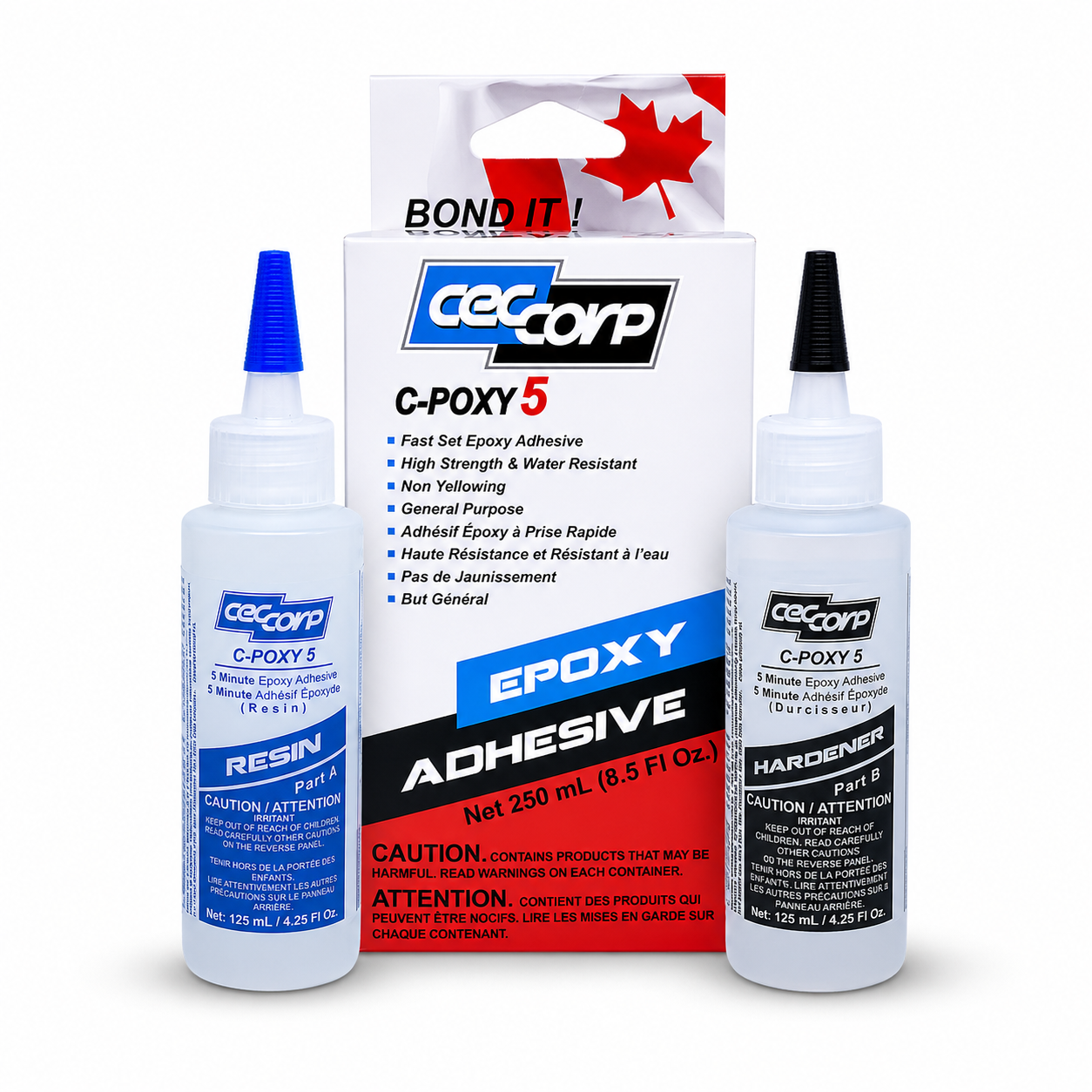
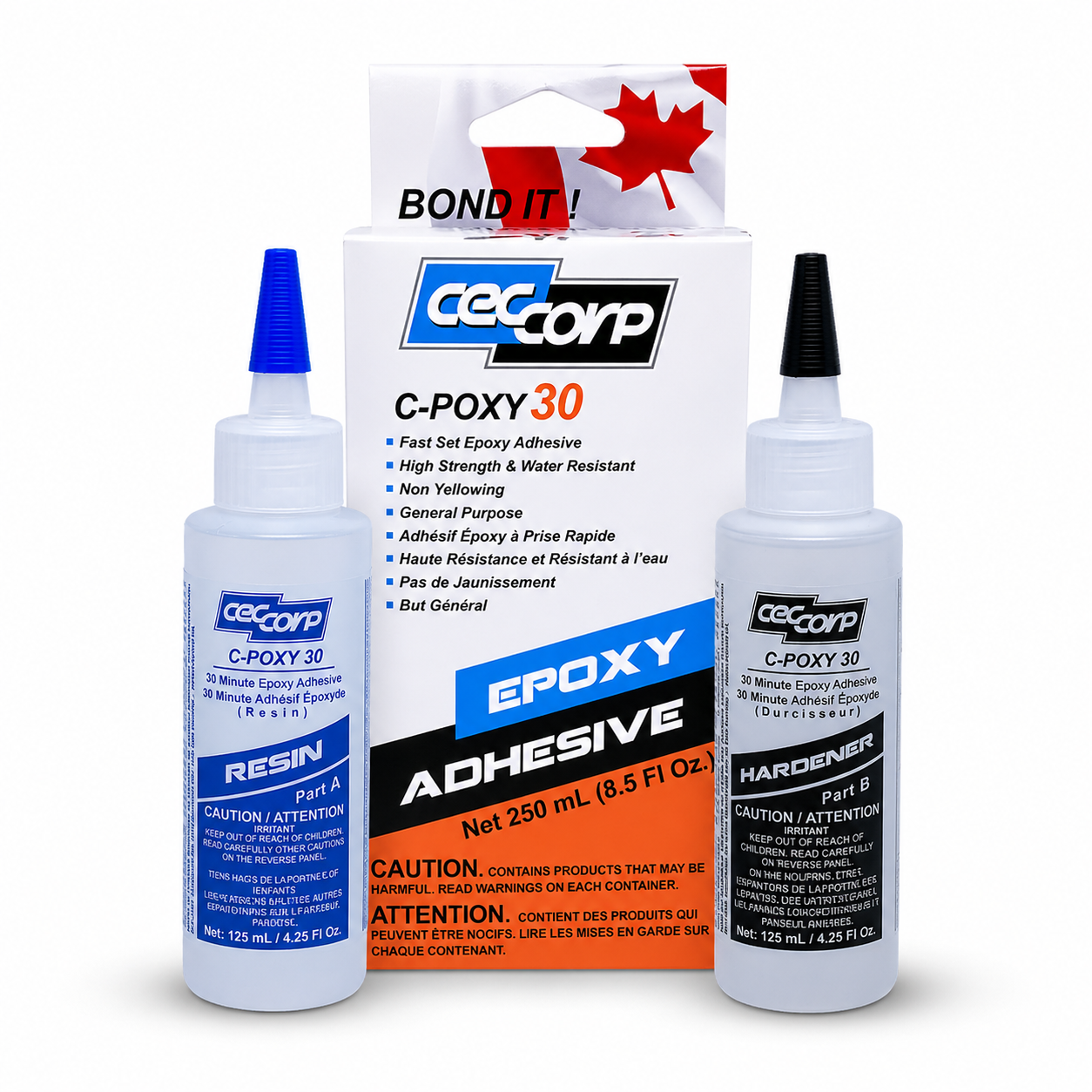
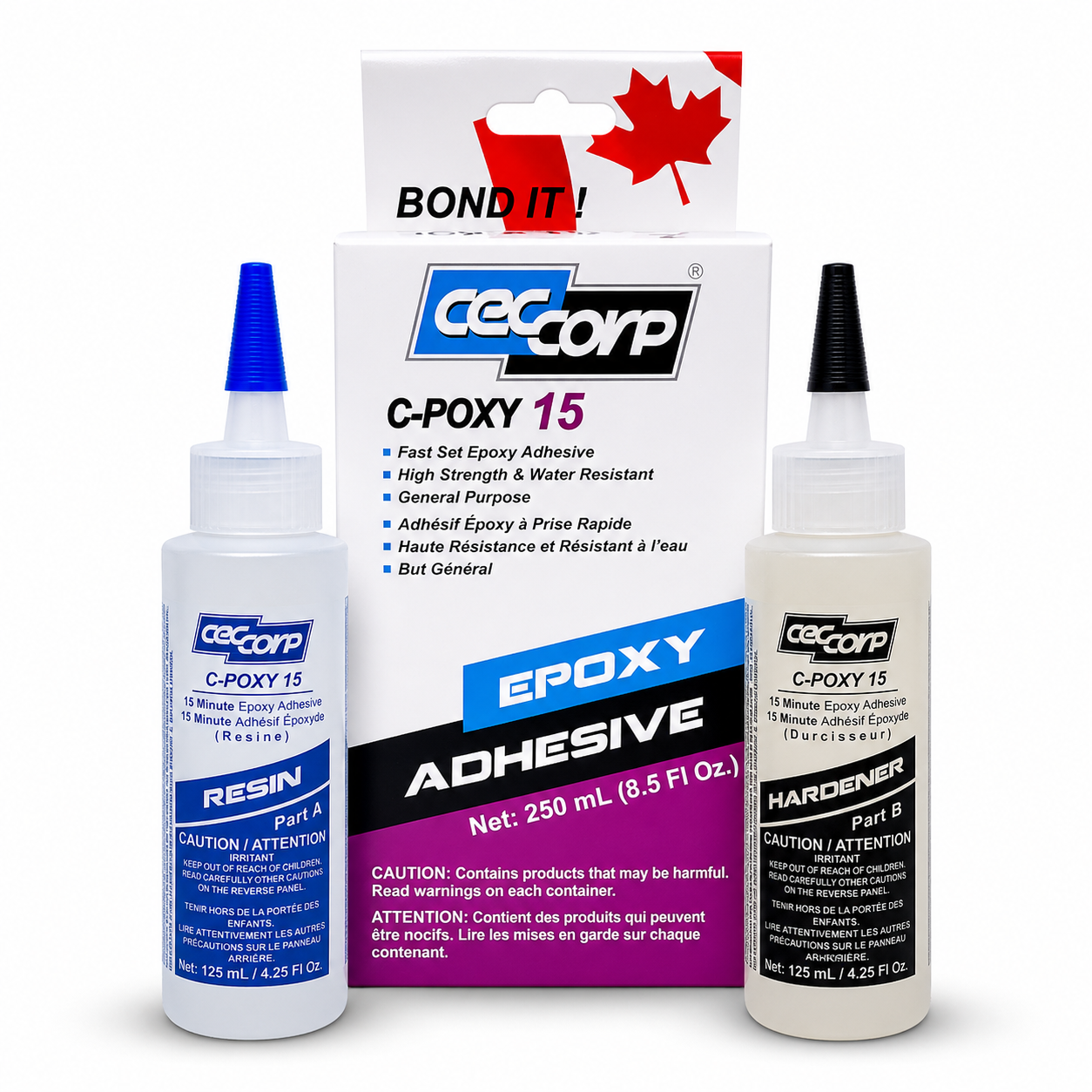
General purpose applications: C-Poxy 5, C-Poxy 15, and C-Poxy 30
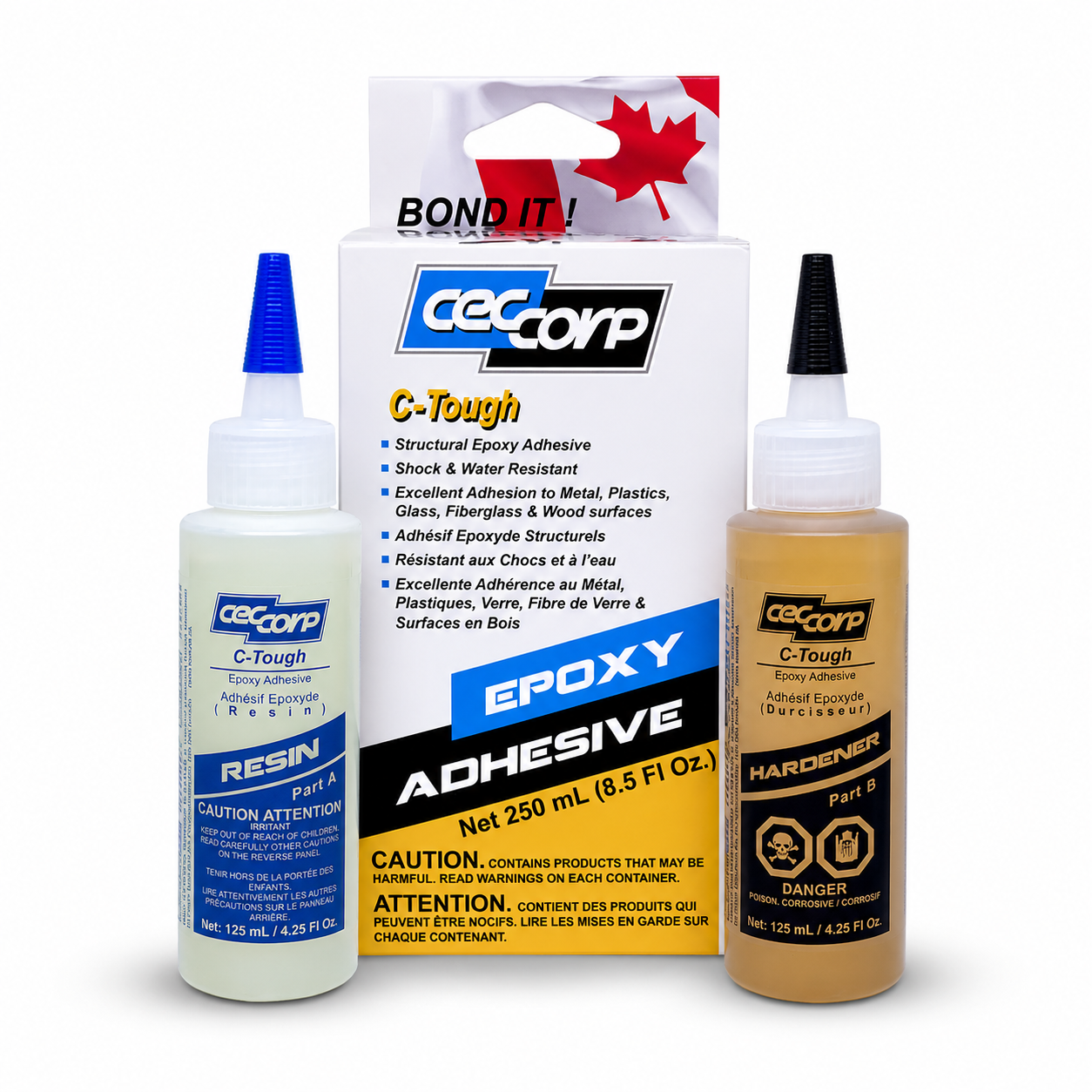
Structural applications: C-Tough, C-Poxy S20 , C-Poxy E20 , and C-Poxy FL40
MMA Adhesives for Aluminum
Methyl methacrylate (MMA) structural adhesives are another excellent choice when aluminum parts require high strength combined with toughness and impact resistance.
MMA adhesives can be particularly useful for larger assemblies and production applications because they can offer excellent adhesion with less intensive surface preparation than many traditional structural bonding systems.
They are commonly considered for:
- Aluminum fabrication
- Transportation
- Vehicle and trailer construction
- Sign manufacturing
- Marine applications
- Large panels
- Dissimilar material bonding
- Structural assemblies
Recommended products:
C-Cryl 5: Coming Soon
C-Cryl G15: Coming Soon
High Temperature Aluminum Bonding: Epoxy Adhesives
Standard adhesives may lose strength as temperature increases. For aluminum components exposed to elevated temperatures, a suitable high temperature epoxy adhesive should be considered.
Specialized epoxy systems can maintain mechanical properties at temperatures where general purpose adhesives may soften or experience significant strength loss.
Typical applications include:
- Motors and electrical equipment
- Machinery
- Industrial equipment
- Metal components near heat sources
- Automotive assemblies
- High temperature structural bonding
Always compare the adhesive’s continuous service temperature rating and short term temperature resistance with the actual operating conditions. Consult the product’s technical data sheet before selecting an adhesive for elevated temperature service.
Products to consider:
C-Tough, C-Poxy E20 , C-Poxy S20 , and C-Poxy E60: Coming Soon
Bonding Aluminum to Other Metals, Wood, and Composites
Adhesive bonding becomes especially valuable when aluminum needs to be joined to a different material.
Aluminum to Steel or Stainless Steel
Structural epoxy and MMA adhesives are commonly used. They can distribute stresses over a much larger area than mechanical fasteners and can also help isolate dissimilar metals when the joint is properly designed. Consider C-Tough.
Aluminum to Wood
Epoxy adhesives are generally an excellent choice because of their strength, gap filling capability, and ability to bond two very different surfaces. Consider C-Poxy 5, C-Poxy 15, or C-Poxy 30.
Aluminum to Fiberglass and Composites
Depending on the application, epoxy, MMA, polyurethane (PU), or hybrid structural adhesives may be suitable.
Rigid structural epoxy or MMA systems are often preferred when high structural strength is required, while flexible or semiflexible polyurethane and hybrid adhesives can be useful when movement, vibration, impact, or differences in thermal expansion need to be accommodated.
Products to consider:
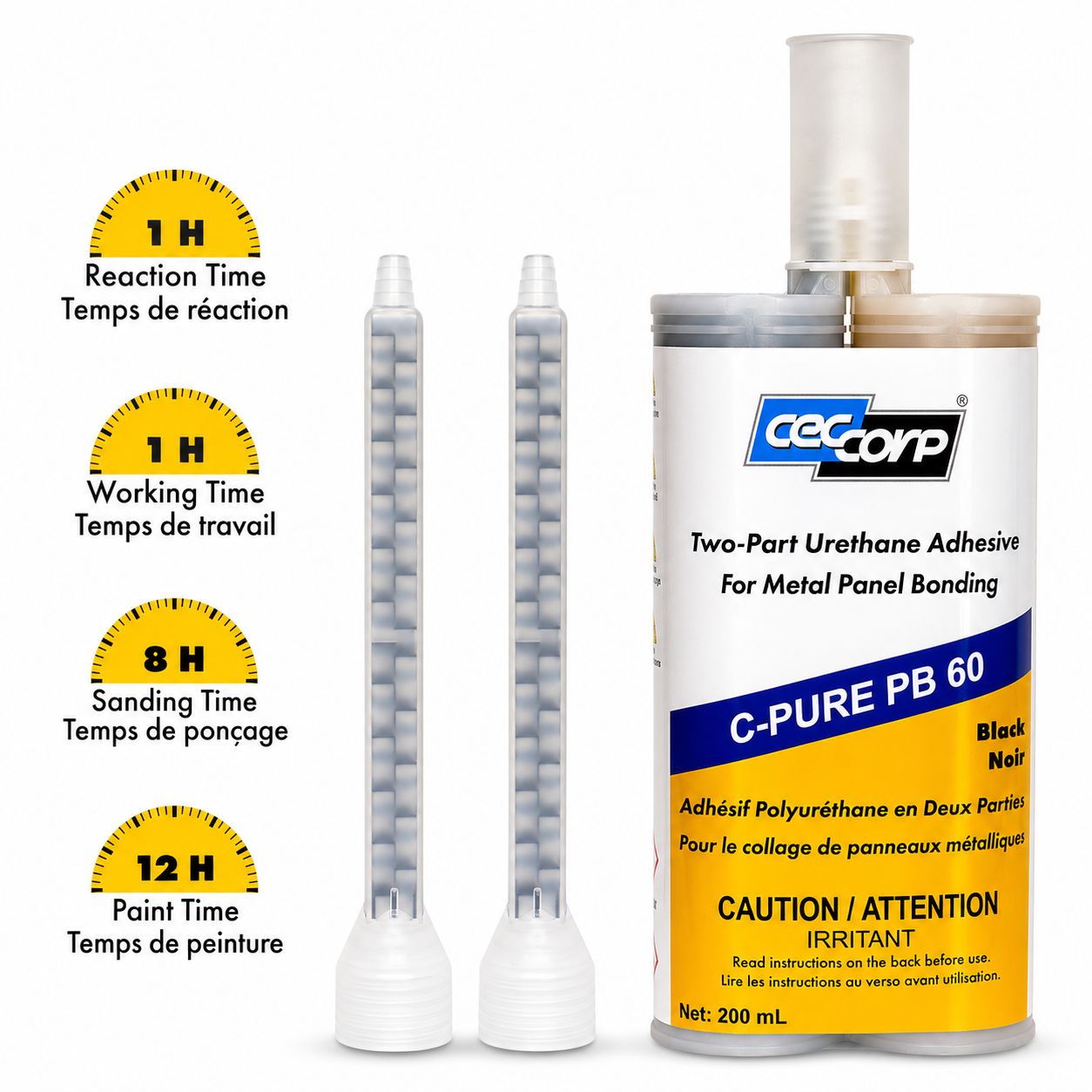
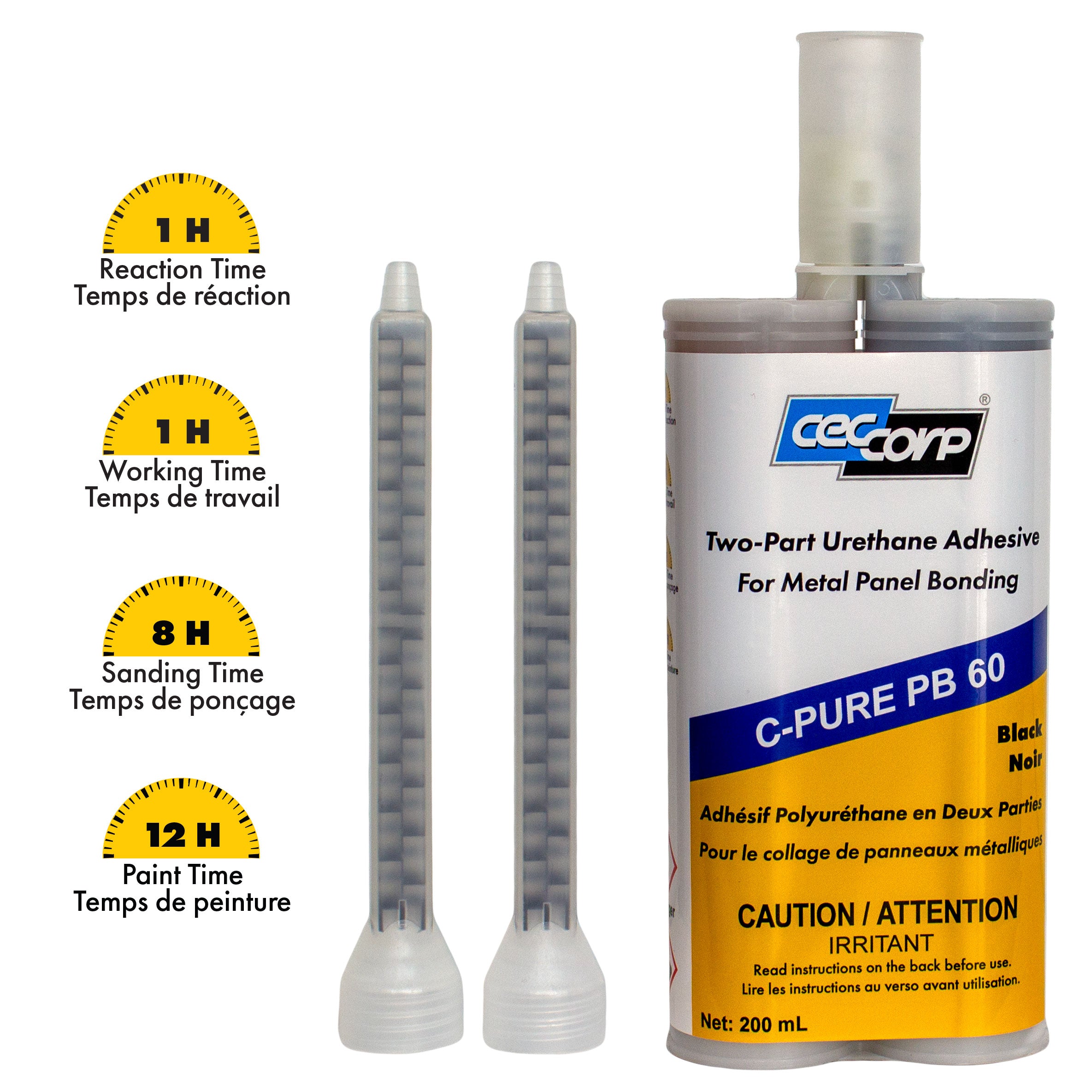
C-Tough, C-Cryl G15: Coming Soon, C Pure PB 60, C-Poxy FL40 , and HY-FL20W
Aluminum Panel Bonding
Large aluminum panels present different challenges from bonding small metal parts. Large surfaces can experience thermal movement, vibration, peel stress, and dimensional changes.
Depending on the panel construction and required flexibility, suitable technologies can include:
- Structural MMA adhesives
- Toughened epoxy adhesives
- Polyurethane adhesives
Polyurethane systems can be particularly useful where a more flexible bond is desirable, while structural MMA and toughened epoxy systems are better suited to applications requiring greater structural strength.
Typical applications include transportation panels, trailers, enclosures, architectural assemblies, composite panels, and industrial fabrication.
Recommended products:
C Pure PB 60, C-Tough, C-Poxy S20 , C-Poxy FL40 , and C-Poxy E20
Can Adhesives Replace Welding?
In some aluminum assemblies (such as sign making), structural MMA adhesives can provide an alternative to welding, riveting, or mechanical fastening.
Unlike welding, adhesive bonding does not require localized melting of the aluminum. This can help reduce:
- Heat distortion
- Visible weld marks
- Concentrated stresses
- Additional finishing operations
- Problems associated with joining thin aluminum sheets
Adhesives also distribute loads across the entire bonded area instead of concentrating stress around a weld or fastener.
However, adhesive bonding is not a universal replacement for welding. Joint design, loads, temperature, environmental exposure, and safety requirements must all be considered before replacing a welded connection with an adhesive joint.
The Key to Strong Aluminum Bonding
There is no single adhesive that is best for every aluminum application. Small nonstructural parts may only require a fast CA adhesive, while large structural assemblies may require toughened epoxy or MMA technology. High temperature applications require specially designed epoxy systems, and flexible panel assemblies may benefit from polyurethane adhesives.
Selecting the adhesive according to the substrates, joint size, loads, temperature, flexibility, environment, and production requirements is the key to creating a strong and durable aluminum bond.