
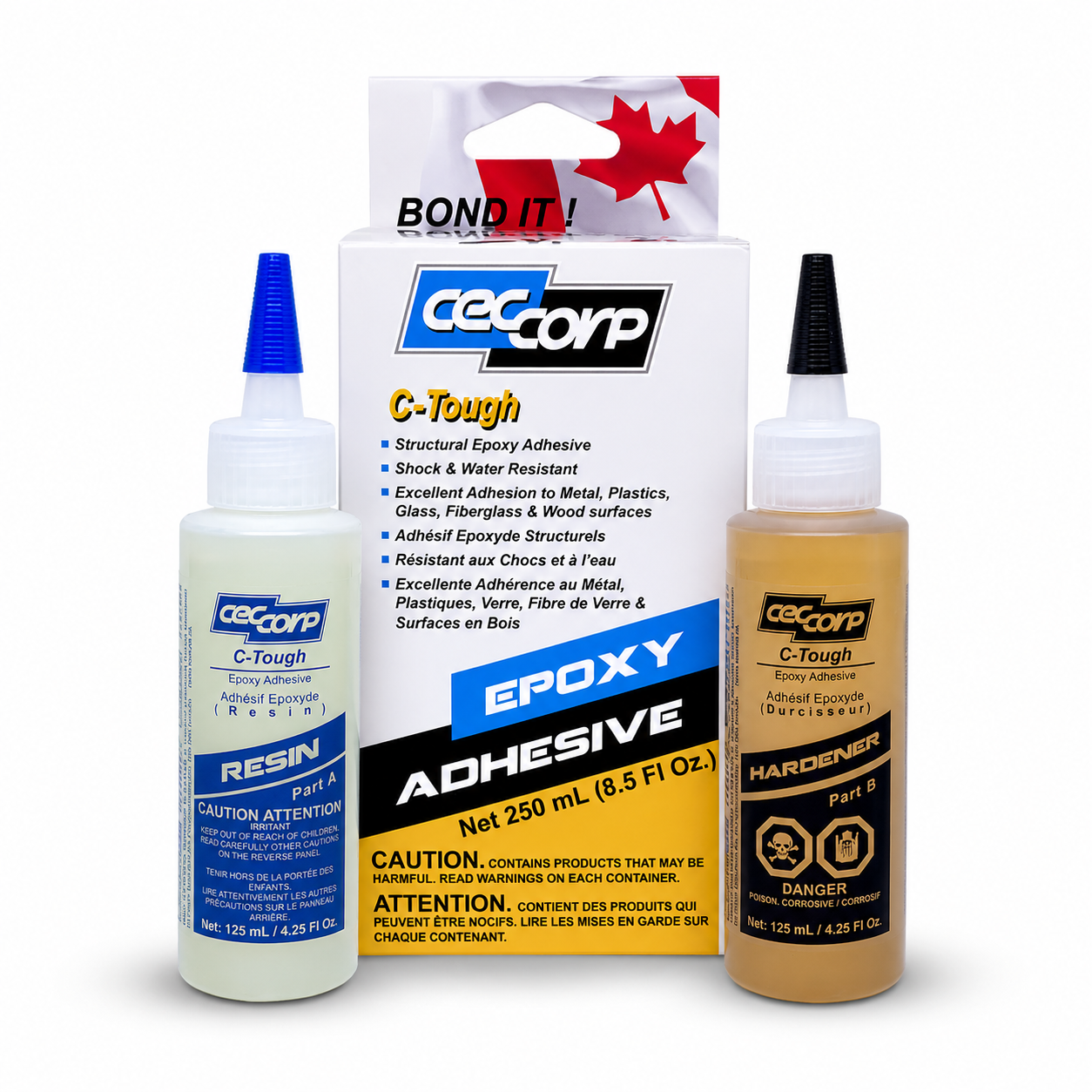
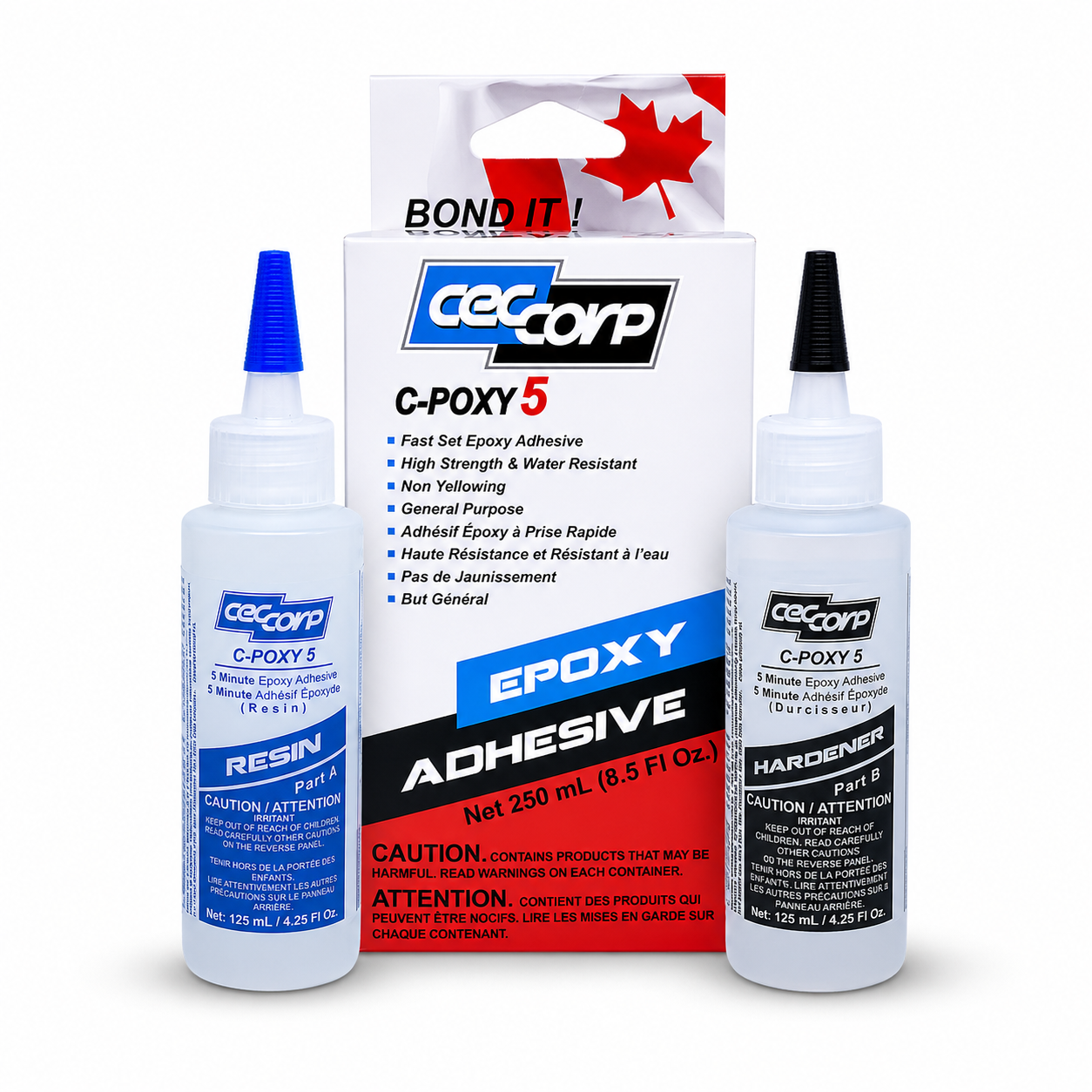
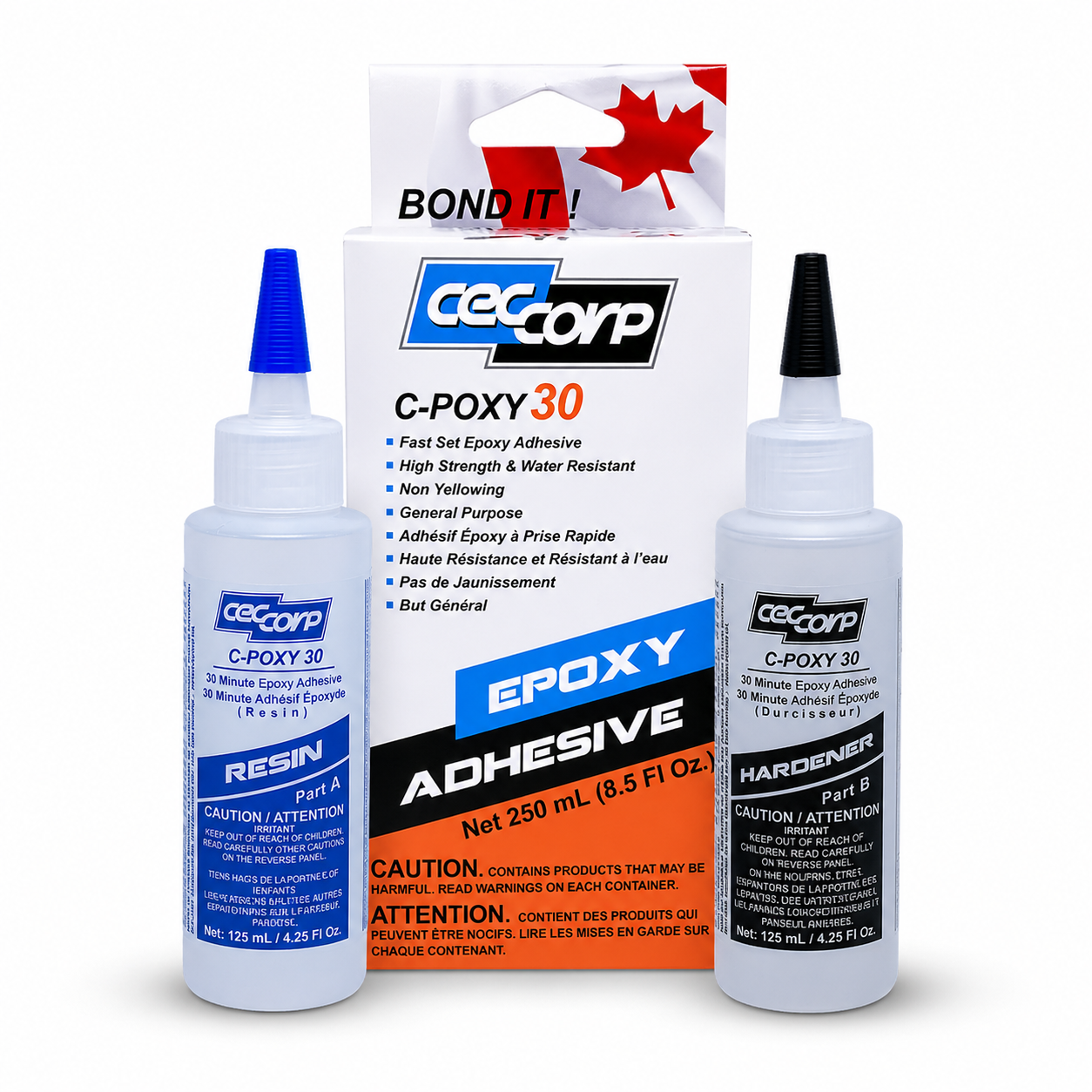
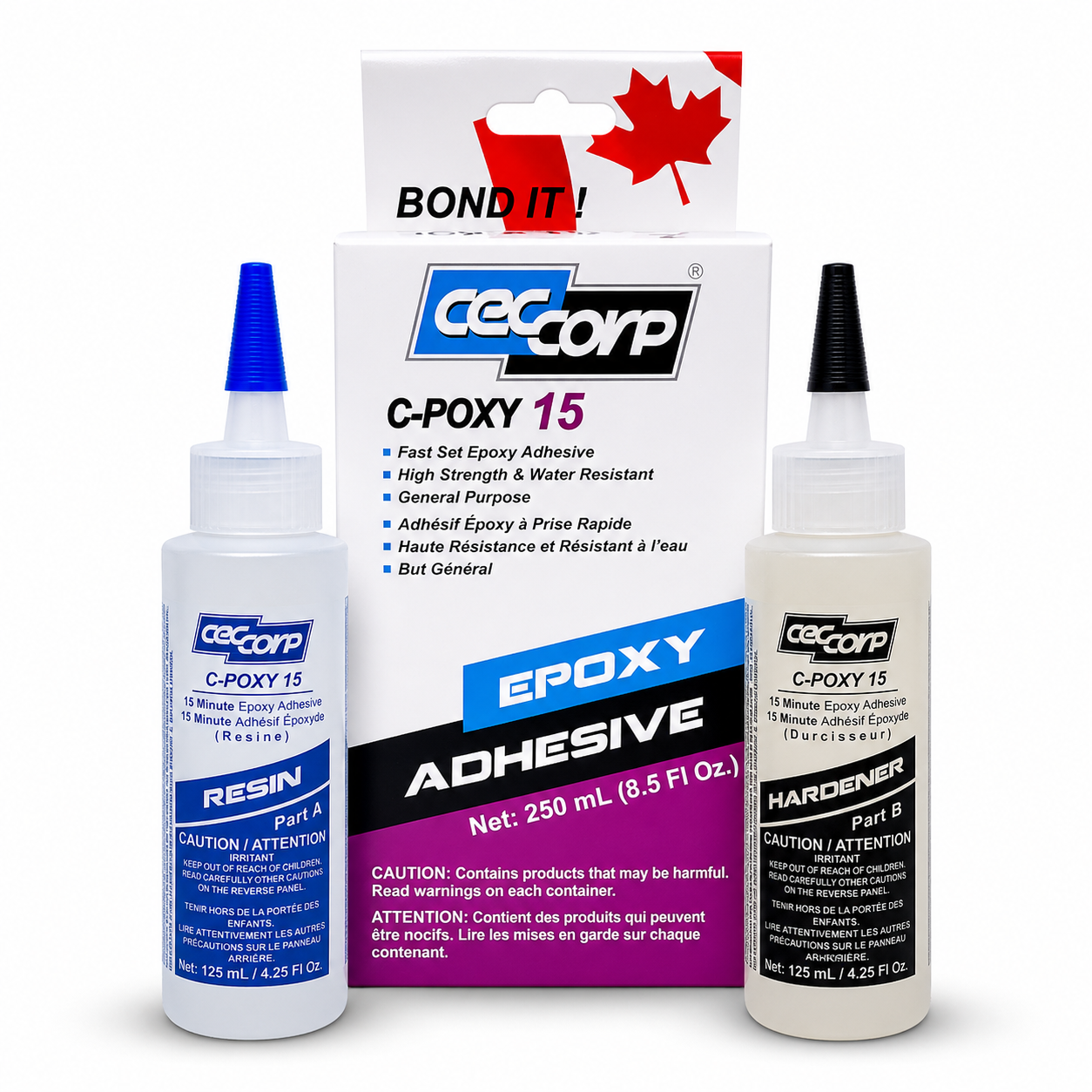



Shaft Installation
Best for: Installing shafts into iron, driver, and wood heads
- Bonds shaft tip inside hosel
- Handles high swing force and torque
- Works for steel and graphite shafts
- Critical for new builds and assembly
Shaft bonding, head repair, and ferrule work—precise, strong, and built for club builders.
Different repairs require different epoxy properties — working time, strength, and gap-filling. Match your job with the right system.
Best for: Installing shafts into iron, driver, and wood heads
Best for: Replacing broken shafts or reattaching heads
Best for: Securing weights and stabilizing internal components
Slide to compare a detached golf club head vs a properly bonded repair using structural epoxy.
Match the right epoxy to your golf club build or repair.
For shaft bonding, head repair, and assembly
High strength
View Product30 min cure
View Productimpact resistant
Coming Soonimpact resistant
Coming SoonNot sure which epoxy fits your job? Tell us what you're working on — we'll recommend the right option based on your setup and workflow.
We'll suggest the right epoxy and working time for your application.
Holds under swing force, torque, and impact
Prevents head loosening over time
Adjust loft, spine, and position before cure
No rushing on builds or repairs
Covers tolerance gaps between shaft and hosel
Full contact even with imperfect fits
Consistent across builds and re-shafting
Stable results without guesswork
Common questions about adhesives for shaft installation, head bonding, and club assembly.
Use a 2-part structural epoxy designed for high impact and shear strength.
Avoid CA glue — it’s too brittle for shaft bonding.
Apply epoxy in two critical zones:
Then insert and rotate the shaft to ensure full coverage and no air gaps.
For best performance, always wait full cure before hitting balls.
This is one of the most common failure causes.
Yes — prep determines bond strength. Required steps:
Poor prep = bond failure, even with high-quality epoxy.
All three work, but selection depends on stress level:
Graphite benefits from tougher, less brittle epoxy.
Yes — epoxy is gap-filling, which is critical because tolerances vary.
This is why epoxy is preferred over other adhesives.
Yes, but in small amounts:
Do not rely on epoxy alone for weight tuning.
Common causes:
Solution: proper prep + correct epoxy like CEC C-Tough Epoxy.
Choose based on working time + strength requirement.