
Stabilizing Fragile Fossils
When to use
- Surface is flaky or brittle
- Material is porous
- Cracks are very fine
From fragile stabilization to structural repairs, choosing the correct viscosity gives you better control and more reliable results.
Three common fossil-prep jobs—and what the right CA viscosity can deliver. Pick the pattern that matches your specimen and repair.
Thin CA wicks into cracks; thicker grades bridge gaps with less soak-in.
Drag the slider to compare damage with the repaired finish—images from professional fossil preparation and repair work in Alberta.
Not sure which CA viscosity fits your specimen? Call or email—we can help you choose a starting plan.
Less bloom and residue
Cleaner look on specimens
Predictable flow
More accurate placement
Reliable across materials
Stable, repeatable bonds
Shale, sandstone, matrix
Deep stabilization
Practical answers on CA glue choice, viscosity, cure time, and technique for fossil prep and repair. Tap to expand.
The best glue depends on the repair type.
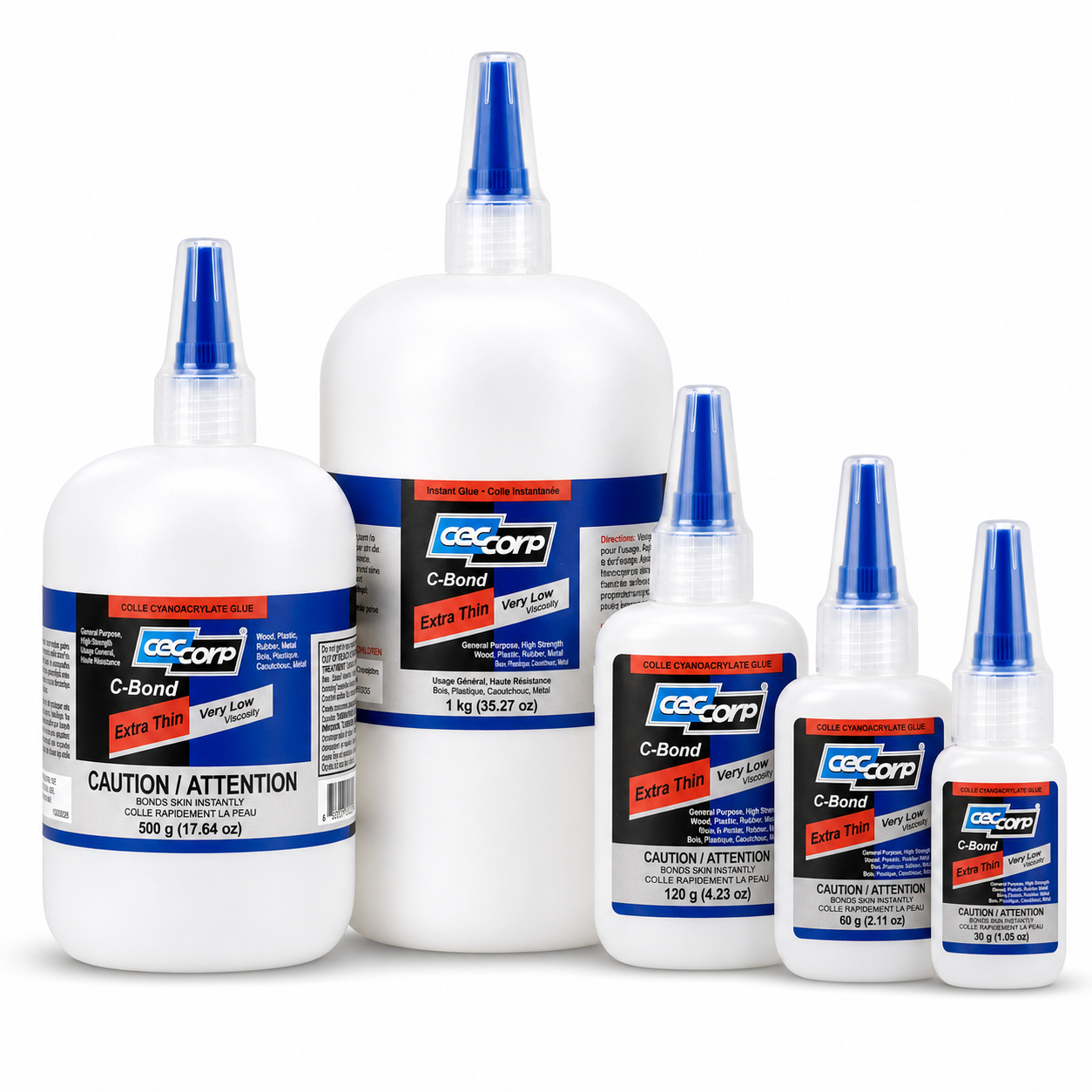
Extra Thin: for stabilizing fragile or porous fossils
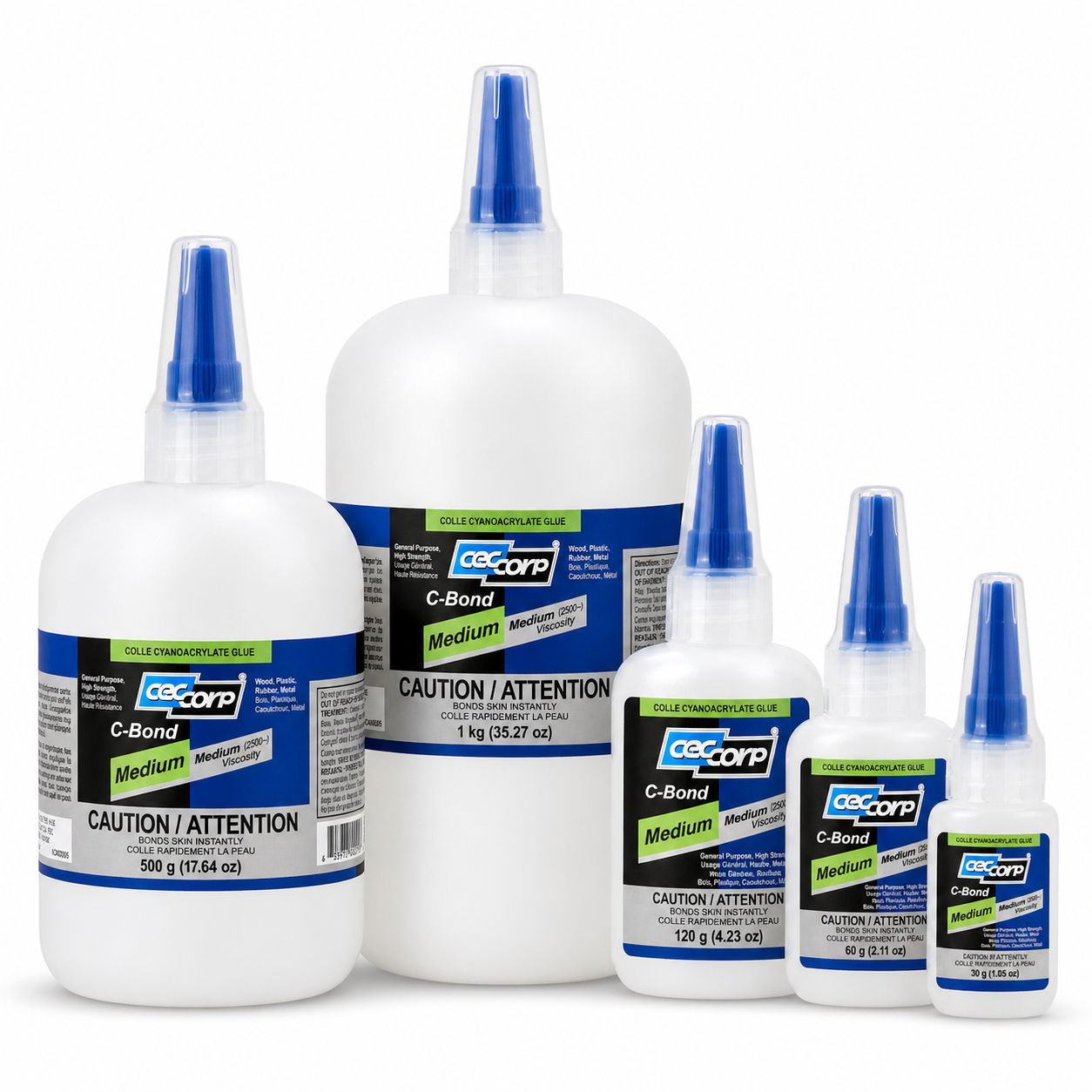
Medium: for general bonding
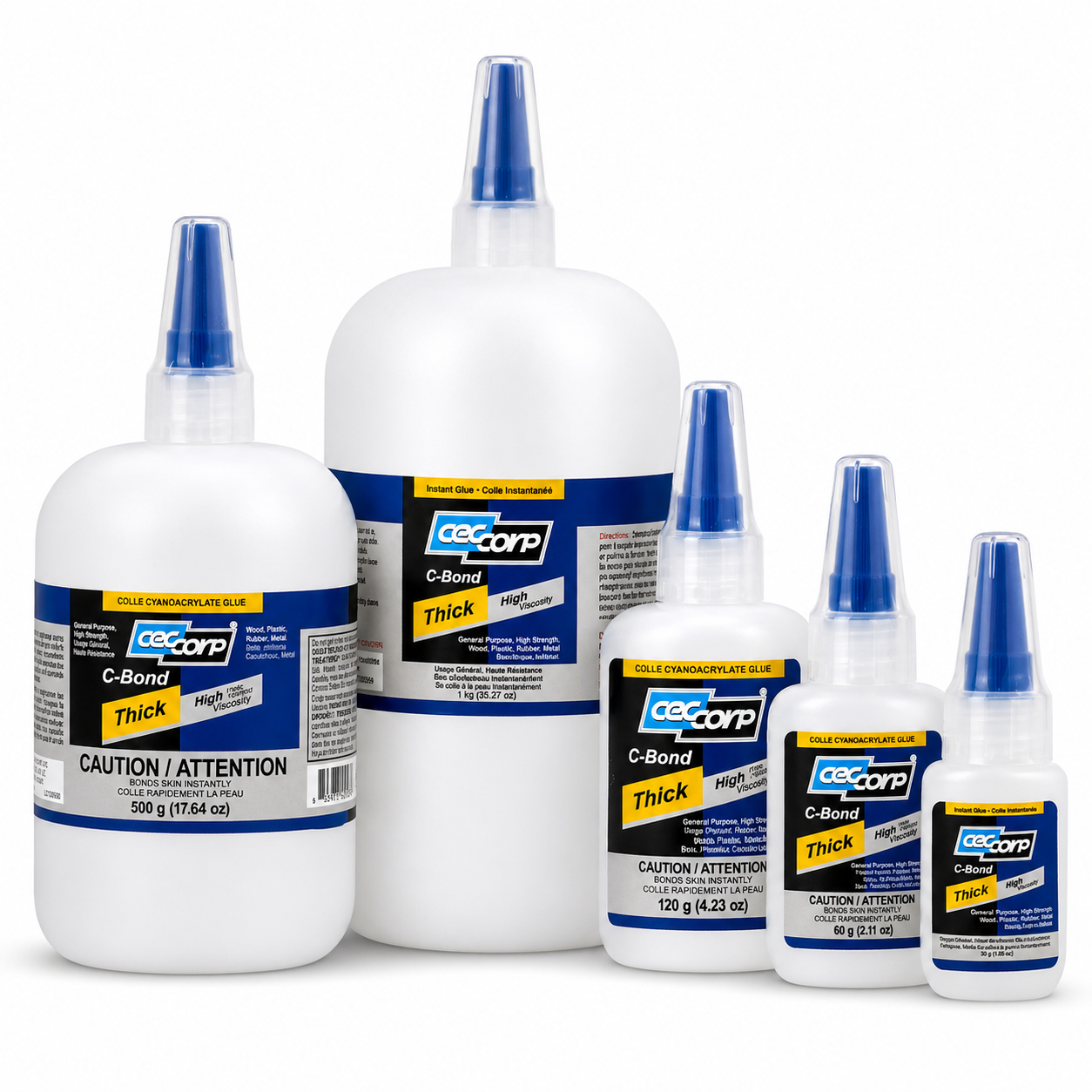
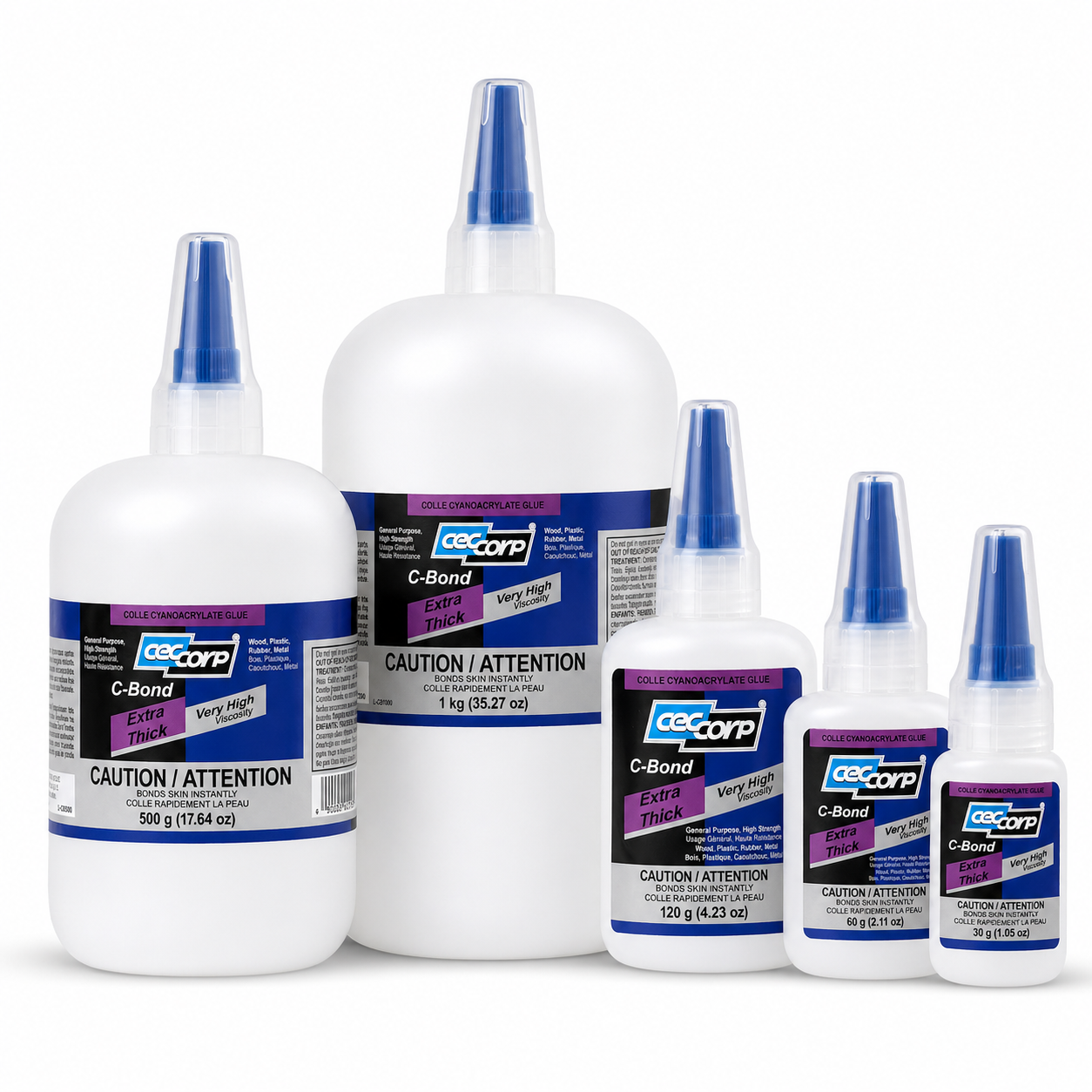
Thick / Extra Thick: for filling gaps and uneven surfaces
Choosing the right viscosity is key to a clean, strong repair.
Match the glue to the job:
Extra Thin → deep penetration, micro-cracks
Medium → general repairs, clean joins
Thick → gap filling, uneven surfaces
Extra Thick → maximum control, vertical or complex repairs
Extra Thin CA glue works best. It wicks into small cracks and porous material, helping stabilize the fossil from within without adding bulk.
Use Thick or Extra Thick CA glue. They stay in place, don't soak in too quickly, and allow better control when filling voids or uneven breaks.
Initial set: a few seconds to ~60 seconds (depending on viscosity)
Working time: longer with thicker grades
Full cure: typically 10 minutes to 24 hours
Thicker glues give more time for alignment.
Control comes from both technique and viscosity.
Common issues are:
Switching to the correct viscosity usually fixes the problem.