
CA Glue and Hybrid Adhesives for 3D Printed Plastics
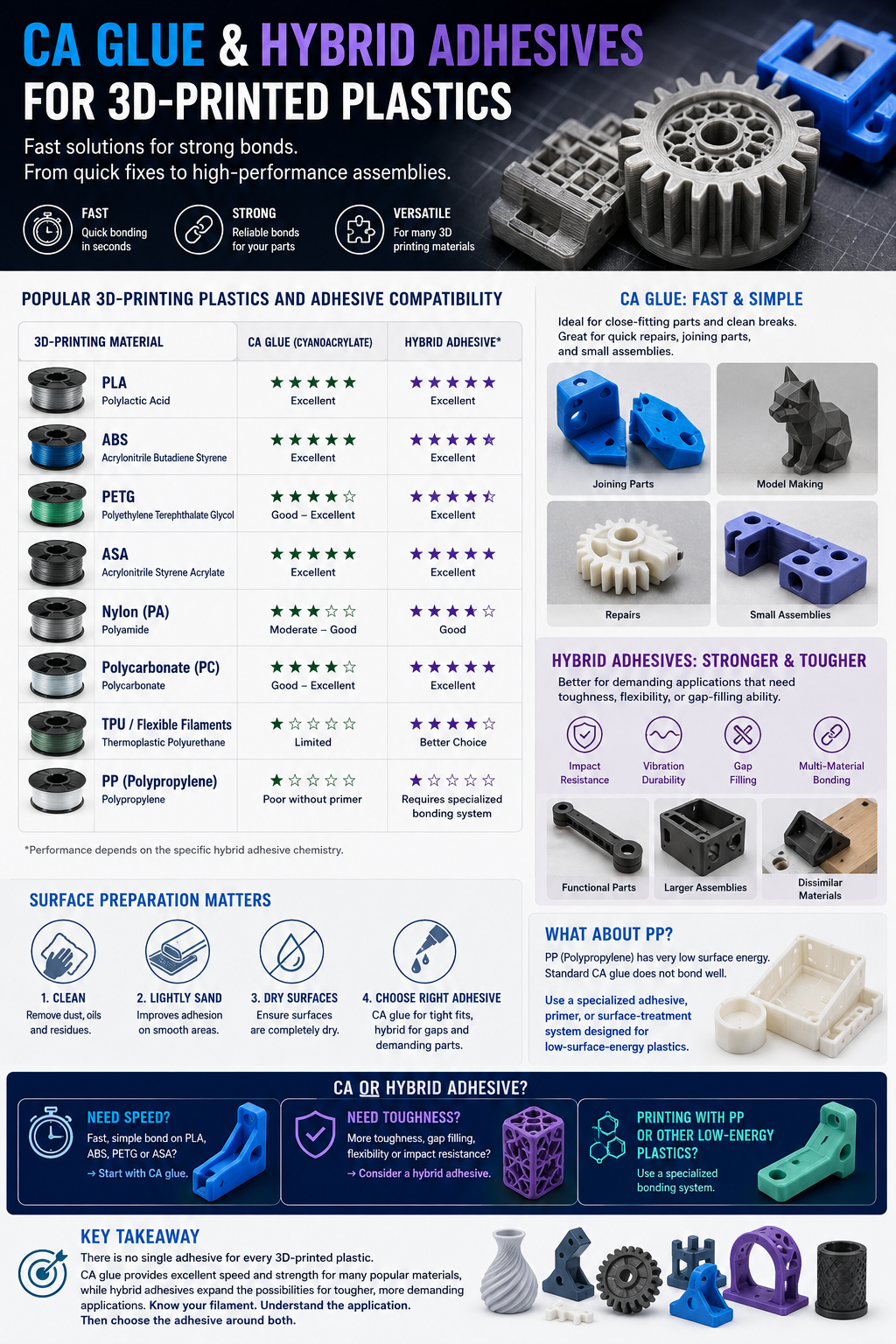
Choosing the right adhesive for 3D printed parts depends heavily on the filament or resin used. CA Glue is one of the fastest and easiest options for many common 3D printing plastics, while hybrid adhesives can provide better gap filling, toughness, and impact resistance when the application requires more than a fast rigid bond.
Popular 3D Printing Plastics and Adhesive Compatibility
| 3D Printing Plastic | CA Glue | Hybrid Adhesive* |
|---|---|---|
| PLA | Excellent | Excellent |
| ABS | Excellent | Excellent |
| PETG | Good to Excellent | Excellent |
| ASA | Excellent | Excellent |
| Nylon (PA) | Moderate to Good | Good |
| Polycarbonate (PC) | Good to Excellent | Excellent |
| TPU and Flexible Filaments | Limited | Better choice |
| PP (Polypropylene) | Poor without primer | Requires a compatible specialty system such as PO Bond |
*Performance depends on the specific hybrid adhesive chemistry.
CA Glue: Fast Bonding for 3D Printed Parts
CA Glue is particularly useful for PLA, ABS, ASA, PETG, and many other rigid 3D printed plastics.
Its major advantage is speed. A small amount of adhesive between close fitting surfaces can create a strong bond within seconds.
CA Glue is ideal for:
- Joining multi piece prints
- Model making and prototypes
- Repairing broken printed parts
- Attaching small components
- Close fitting assemblies
- Temporary positioning before another manufacturing step
Because standard CA Glue forms a relatively rigid bond, it may not be the best option for parts exposed to significant flexing, vibration, peeling, or repeated impact.
When a Hybrid Adhesive Is the Better Choice
Hybrid adhesives combine characteristics of different adhesive technologies to provide properties that conventional instant adhesives may not offer.
Depending on the chemistry, they can provide greater toughness, flexibility, impact resistance, and gap filling capability while maintaining relatively fast fixture times.
Hybrid adhesives are particularly useful for:
- Functional 3D printed components
- Larger assemblies
- Uneven printed surfaces
- Vibration loaded parts
- Dissimilar material bonding
- Applications requiring a tougher bond
They can also be useful when bonding a 3D printed plastic component to metal, wood, composites, rubber, or another type of plastic.
Surface Preparation Matters
The layer by layer structure of 3D printing can create rough or irregular bonding surfaces. This can actually provide useful mechanical anchoring, but contamination and large gaps can reduce bond performance.
For better results:
- Remove dust, oils, and printing residue.
- Lightly sand the bonding area when appropriate.
- Make sure the surfaces are dry.
- Use CA Glue for close fitting surfaces.
- Consider a gap filling or hybrid adhesive when the printed surfaces do not fit perfectly.
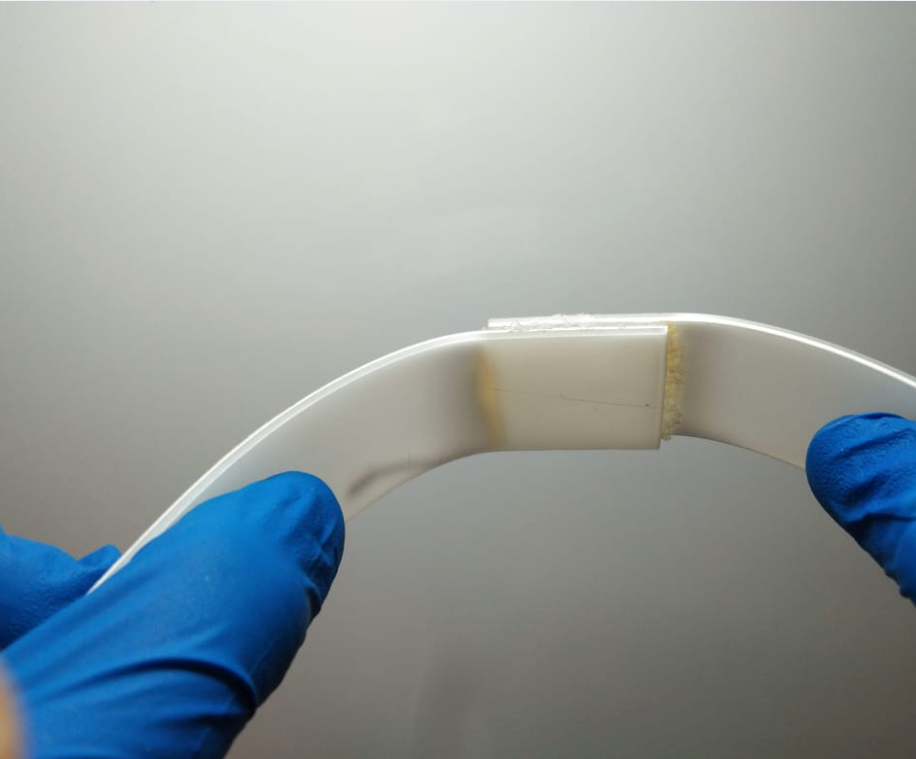
What About PP 3D Prints?
Polypropylene (PP) is an important exception.
PP has very low surface energy, making it difficult to bond with standard CA Glue and many conventional adhesives. Successful PP bonding normally requires a specialized adhesive, primer, or surface treatment system designed for low surface energy plastics.
For bonding PP and PE 3D printed parts, consider CECCORP PO Bond.
CA Glue or Hybrid Adhesive?
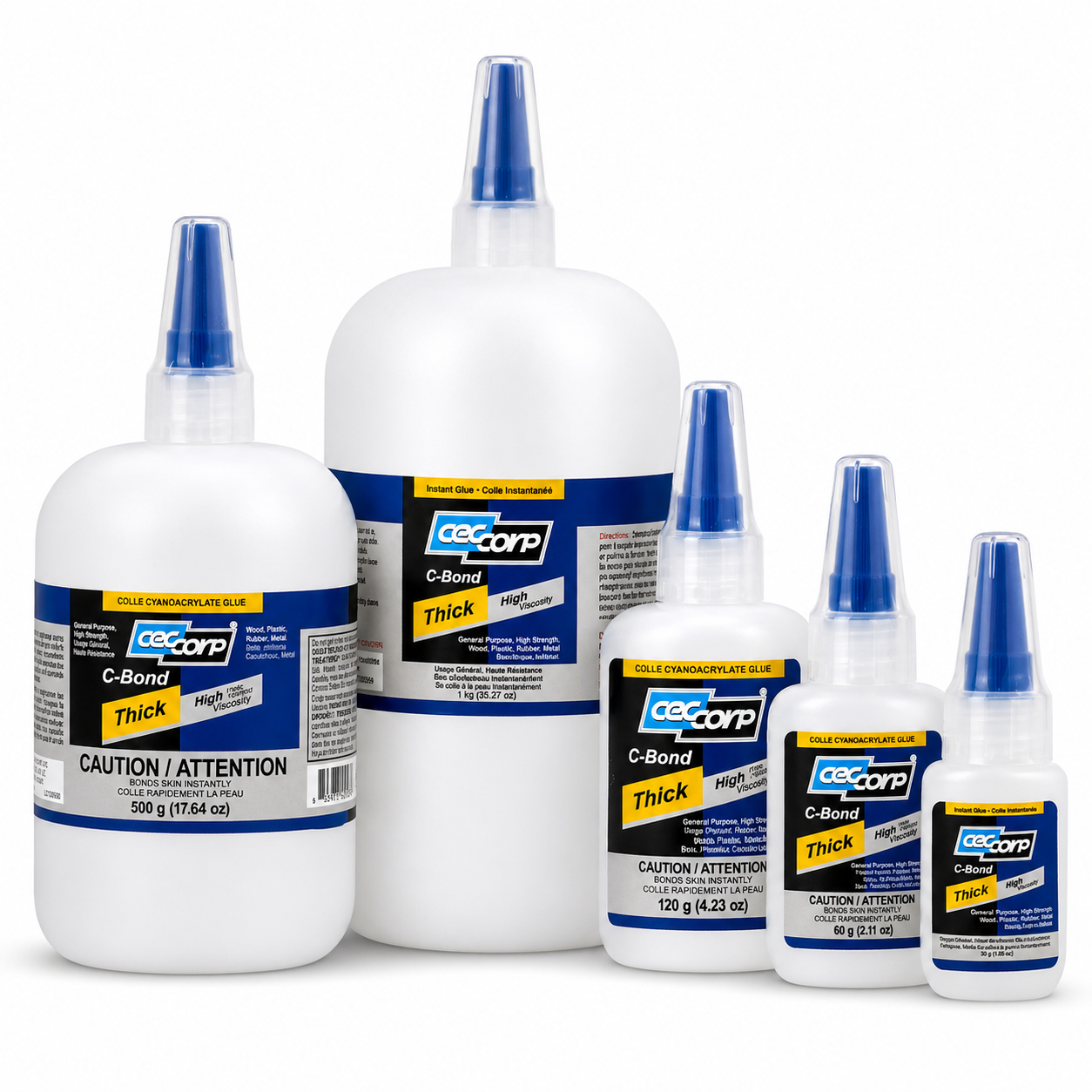
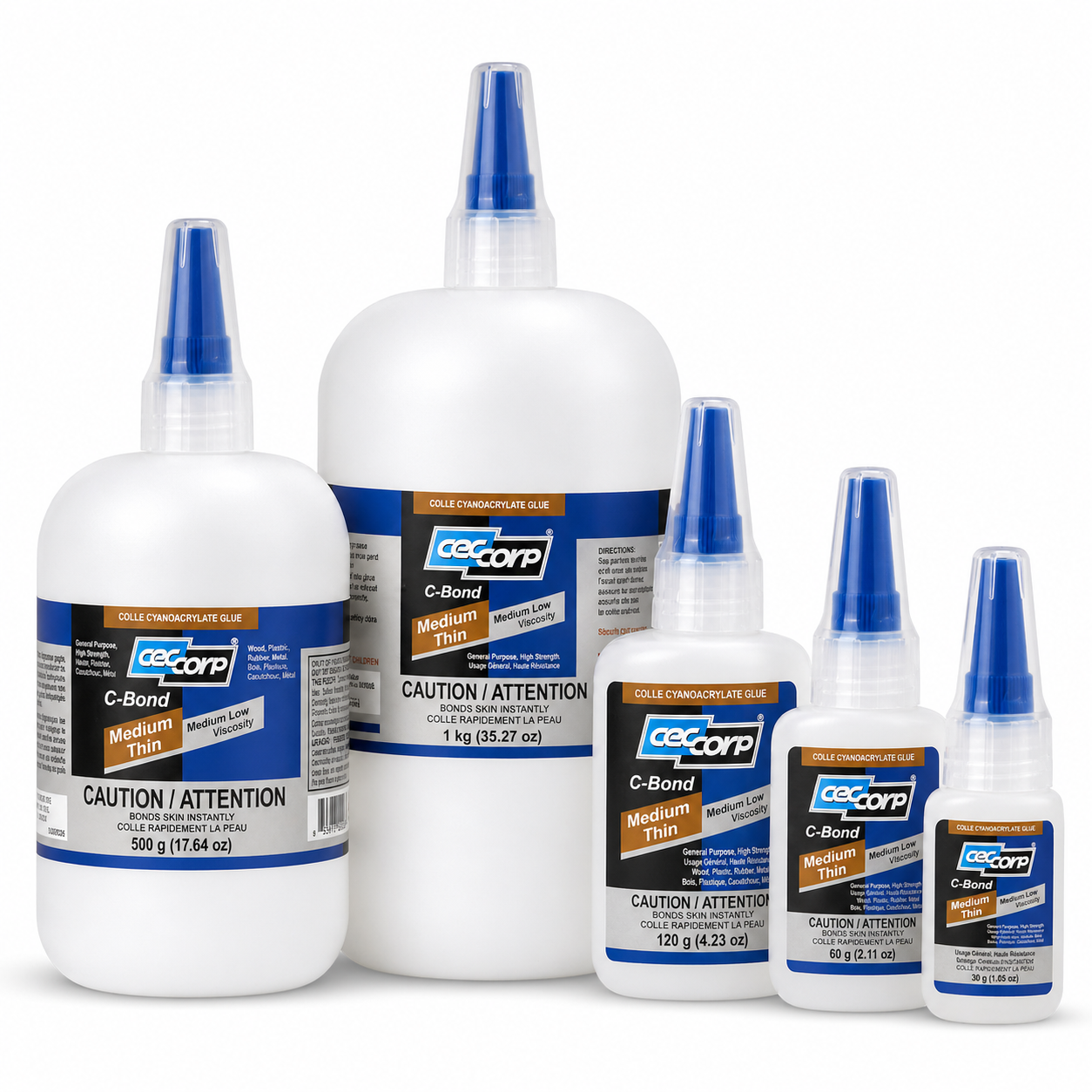
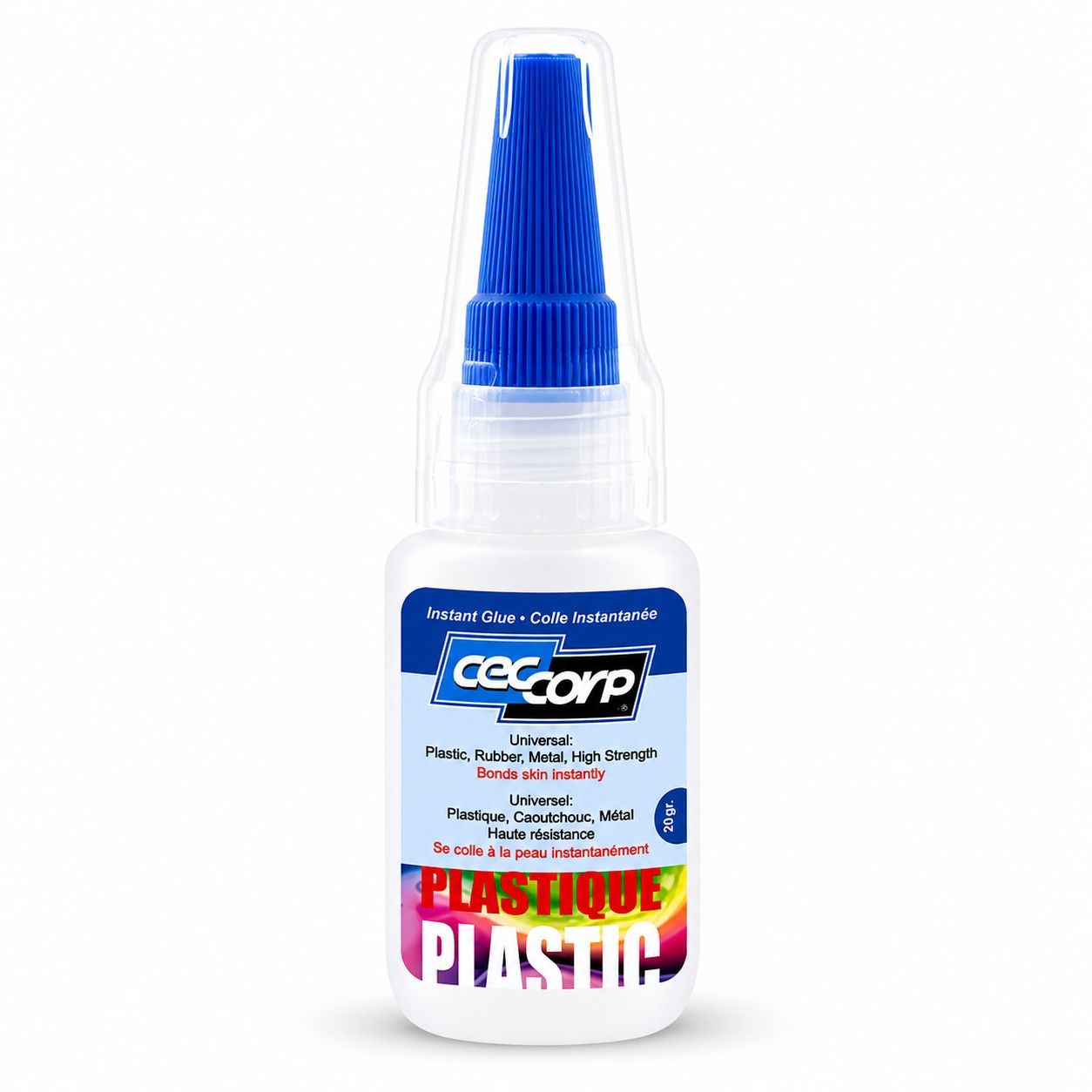
Need a fast, simple bond on PLA, ABS, PETG, or ASA? Consider Medium Thin CA Glue , Thick CA Glue , or Plastic CA Glue .
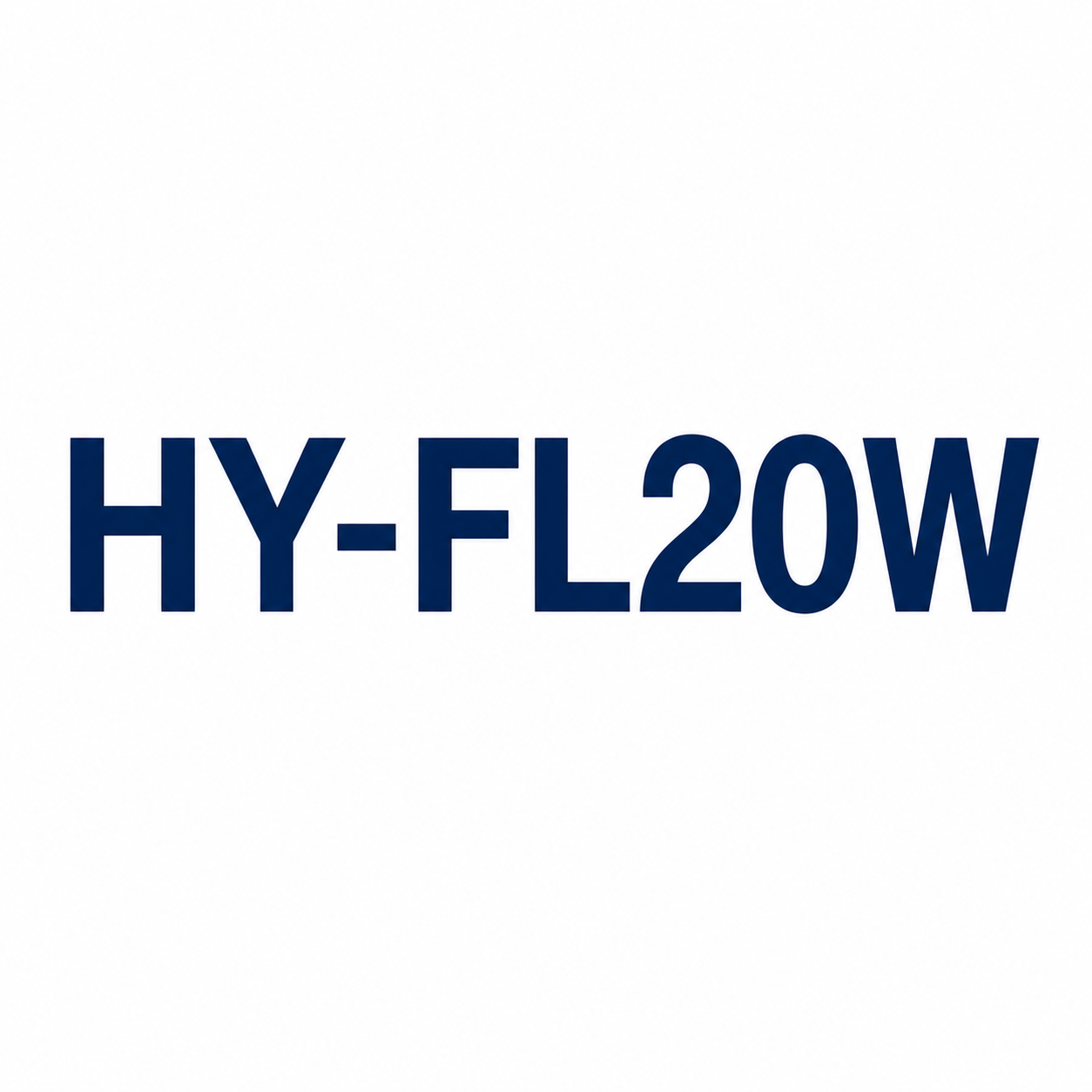
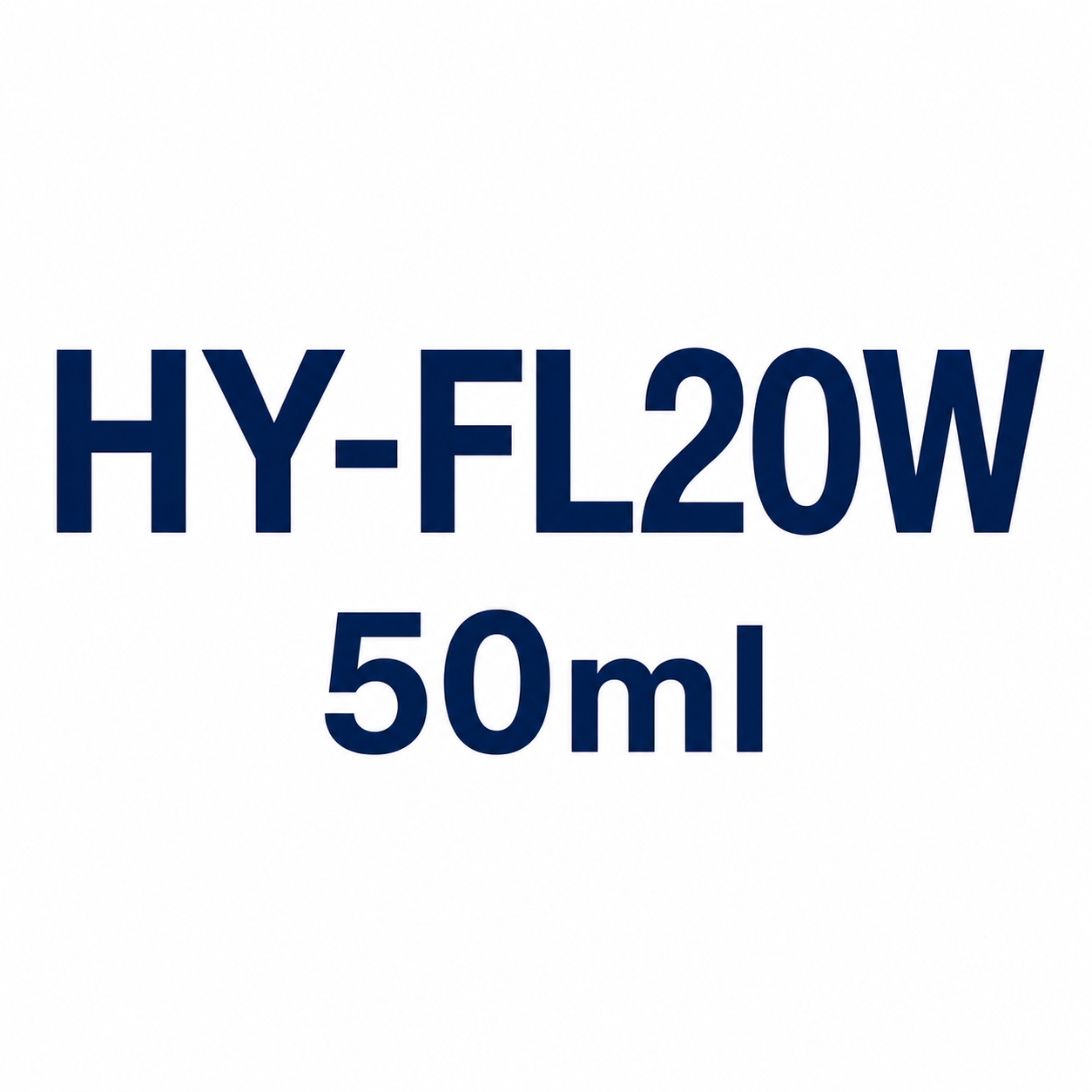
Need more toughness, gap filling, flexibility, or impact resistance? Consider HY-AC07 or HY-FL20W.
Printing with PP or another low surface energy plastic? Consider PO Bond.
Key Takeaway
There is no single adhesive for every 3D printed plastic. CA Glue provides an excellent combination of speed, strength, and simplicity for many popular 3D printing materials, while hybrid adhesives expand the possibilities when tougher, more flexible, or more demanding bonds are required.
Know your filament. Understand the application. Then choose the adhesive around both.